Top Benefits of Overhead Coiling Doors for Your Business Needs?
Overhead coiling doors are revolutionizing the way businesses operate. These doors are crucial for companies looking to enhance security and efficiency. Industry studies show that overhead coiling doors can improve energy savings by up to 30%. This translates into significant cost reductions over time.
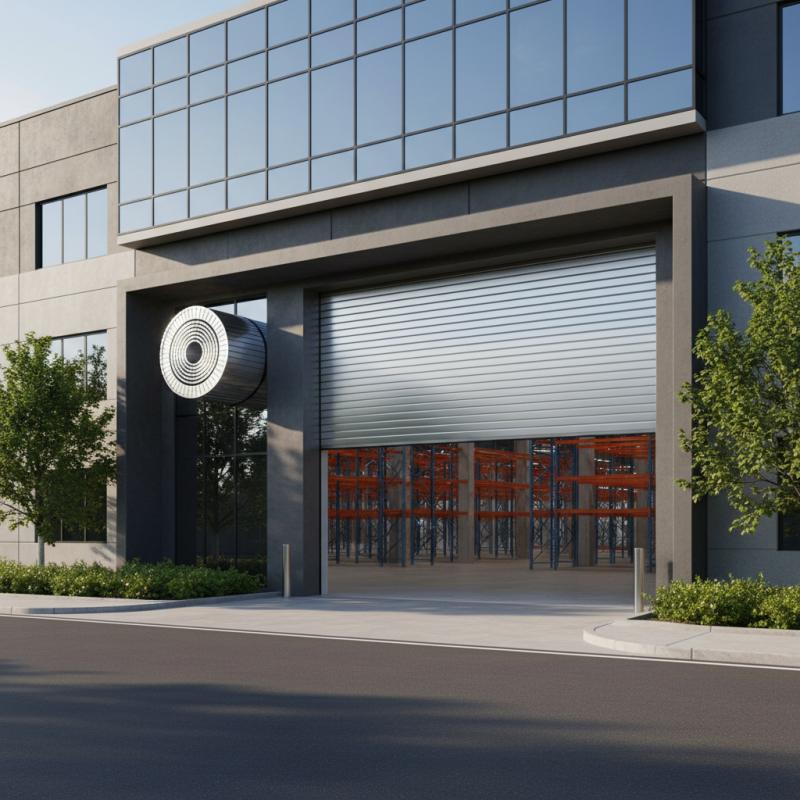
In warehouses and industrial facilities, the functionality of an overhead coiling door becomes apparent. They provide quick access, which boosts productivity. However, they are not without challenges. Maintenance is vital to ensure optimal performance. Ignoring small issues can lead to costly repairs.
Moreover, many companies overlook design aesthetics. A well-designed overhead coiling door can improve a building's appearance. While the advantages are clear, businesses must weigh long-term costs against initial investments. Ultimately, the choice of an overhead coiling door should align with specific operational needs.
Advantages of Overhead Coiling Doors for Commercial Spaces
Overhead coiling doors offer significant advantages for commercial spaces. These doors are built for durability. They can withstand heavy usage, which is vital for busy environments. According to a 2021 industry report, these doors can reduce operational costs by up to 25% due to energy efficiency.
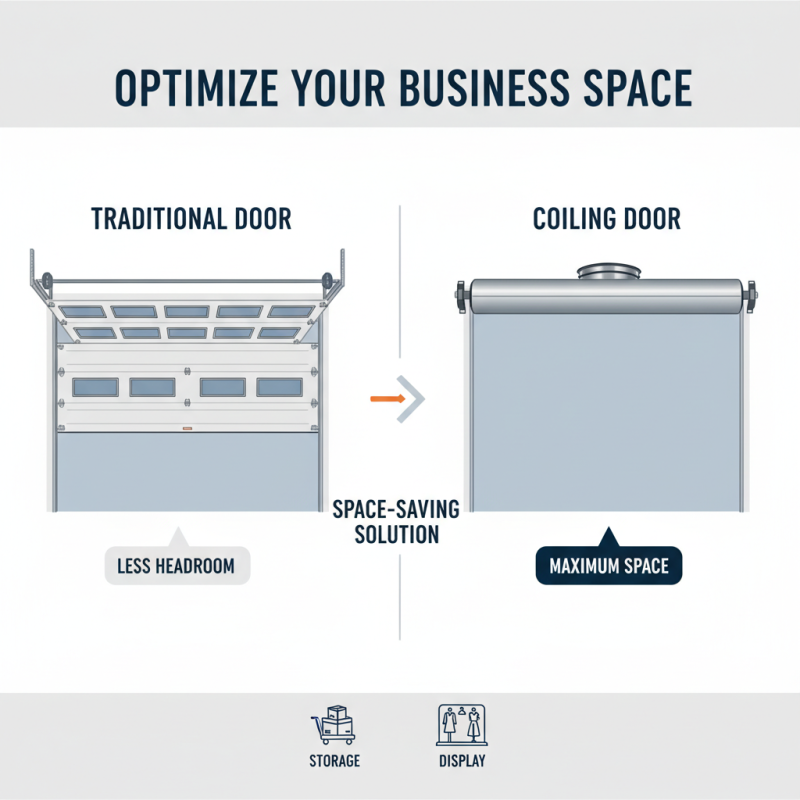
Another key benefit is the space-saving design. Unlike traditional doors, coiling doors can roll up into a compact coil. This feature is perfect for warehouses and retail locations with limited space. Many businesses report improved workflow and accessibility with this setup. In a study, 78% of respondents noted better productivity after installing overhead coiling doors.
Also, these doors enhance security. Their sturdy construction makes them more resistant to break-ins. Yet, there are challenges to consider. Some users report issues with alignment or maintenance. Regular checks are necessary to ensure optimal performance. This aspect can be overlooked, leading to additional costs down the line.
Enhanced Security Features of Overhead Coiling Doors
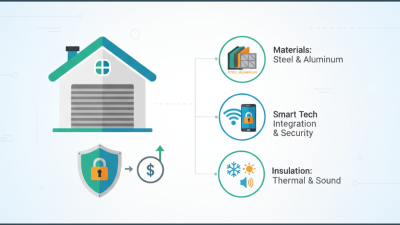
Overhead coiling doors stand out for their impressive security features. These doors are designed to provide robust protection for various commercial spaces. The materials used are often high-quality steel or aluminum, providing a strong barrier against potential intrusions.
One key benefit is their durability. Overhead coiling doors can withstand harsh weather and resist impacts, making them suitable for industrial environments. However, their effectiveness relies on proper installation and maintenance. Regular checks are essential. Without them, the alignment might falter, and security could be compromised.
In addition to durability, these doors offer quick access. They can open and close swiftly, reducing downtime during busy hours. This feature not only enhances security but also improves operational efficiency. Still, some might overlook the importance of automation. Investing in automatic controls can further boost security levels while ensuring ease of use.
Space-Saving Solutions: How Coiling Doors Maximize Utility
Coiling doors provide substantial space-saving solutions for various business environments. When fully rolled up, they occupy minimal vertical space, allowing for more room to maneuver. This is particularly beneficial in crowded warehouses or retail spaces. Businesses can use the saved space for storage or display purposes, optimizing utility without the need for extensive renovations.
Moreover, coiling doors are not just about practicality; they also enhance workflow efficiency. With a quick operation mechanism, these doors can open and close rapidly, reducing wait times. This speed can keep operations flowing smoothly, especially during peak hours. However, it is essential to consider the maintenance involved. If not regularly checked, functionality may decrease, leading to operational delays. Businesses should create a maintenance schedule to reflect on this aspect.
Additionally, the aesthetic appeal of coiling doors can be a point for reflection. While they serve a practical purpose, some may find them less visually appealing. However, modern designs offer varied styles, which can blend into different architectural contexts. It’s a balancing act between functionality and aesthetic preference, inviting businesses to continuously assess what works best for them.
Energy Efficiency and Insulation Benefits of Coiling Doors
Coiling doors provide significant energy efficiency and insulation benefits. They create a barrier against outside elements. This is especially important for businesses needing temperature control. With the right coiling doors, businesses can reduce heating and cooling costs. They help maintain a stable indoor environment, even during extreme weather.
These doors minimize air leakage. Their design allows for quick operations, reducing the time spent with the door open. This quick action limits the energy lost in both hot and cold climates. Additionally, many coiling doors come with advanced insulation materials. This can further enhance energy savings, but not all options are created equal.
However, not all businesses may recognize these advantages fully. Some might overlook the initial investment in coiling doors. They could focus on short-term costs rather than long-term savings. It's essential to weigh these factors carefully. The upfront costs may deter some, but the potential energy savings over time can be significant. Moreover, businesses should consider how these doors fit into their overall sustainability goals.
Energy Efficiency and Insulation Benefits of Coiling Doors
Customization Options for Overhead Coiling Doors in Business Environments
Overhead coiling doors offer significant customization options for businesses. Many industries, such as retail and warehousing, require flexible design to fit specific operational needs.
For instance, businesses can choose sizes that range from small pedestrian access doors to larger vehicle entrances. This adaptability can save both space and costs.
According to a recent industry report, 75% of business owners prefer doors that can be tailored to their unique requirements.
Material selection is another critical factor. Overhead coiling doors can be made from steel, aluminum, or even insulated materials based on the environment. Different finishes are available as well.
Businesses focused on aesthetics can select colors that match their branding. Data from industry studies indicate that 60% of companies value door aesthetics alongside functionality.
However, it’s essential to consider the installation process. Customization may lead to longer installation times and potentially higher costs.
Some businesses fail to account for these factors, leading to delays. It’s vital to weigh the benefits of a tailored solution against the logistics involved.
Industry feedback suggests that investing in quality and customization does pay off in the long run, yet careful planning is non-negotiable.