10 Best Wood Garage Door Options for Your Home Upgrade?
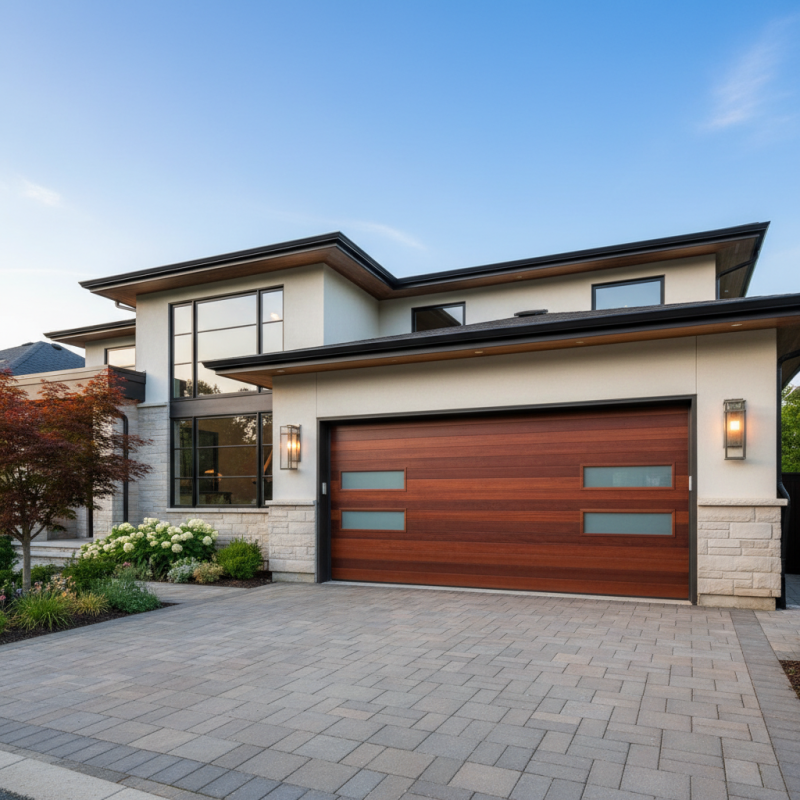
When considering a home upgrade, a wood garage door can significantly enhance your property's curb appeal. Renowned expert in architectural design, John Thompson, states, "A wood garage door adds warmth and character that no other material can match." This statement underlines the timeless beauty of wood doors in modern homes.
Many homeowners might overlook the importance of choosing the right garage door. A wood garage door offers not only aesthetic value but also functional benefits. These doors provide excellent insulation and durability. However, it is essential to consider maintenance needs. Wood requires regular upkeep to prevent weather damage.
Exploring the top ten wood garage door options can guide you in making an informed choice. Each option has unique attributes, colors, and styles. For instance, some may favor traditional designs, while others might prefer contemporary looks. Reflecting on your home's overall design can lead to a more cohesive look. A wood garage door is an investment, and choosing wisely will pay off in the long run.
The Importance of Choosing the Right Wood for Garage Doors
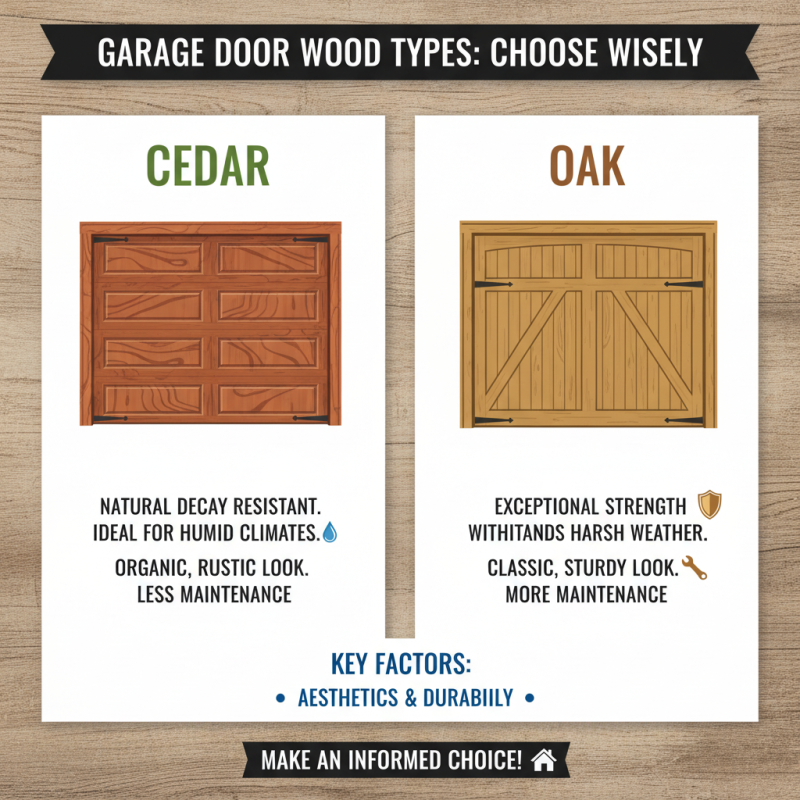
Choosing the right wood for your garage door is crucial. Different types of wood offer varying aesthetics and durability. Common choices include cedar and oak. Cedar ensures a natural resistance to decay, making it ideal for humid climates. Oak, known for its strength, can withstand harsh weather but may require more maintenance.
Consider the style of your home when selecting wood. A perfect fit enhances curb appeal. Think about the grain and color of the wood. A deep, rich hue can add warmth, while a lighter shade may evoke a more modern feel. Make sure to assess how much sunlight your garage door will receive. Intense sunlight can fade colors and alter finishes over time.
Some wood options may require extra care. This means additional costs and time invested in upkeep. Regular sealing and painting can prevent warping or cracking. Reflect on your lifestyle and willingness for maintenance before making a decision. Balancing beauty with practicality is vital. The right material should not only look good but also endure the test of time.
Types of Wood Used in Garage Door Manufacturing
When selecting a wood garage door, the type of wood plays a crucial role in both aesthetics and durability. Popular choices include cedar, redwood, and mahogany. Each wood type has unique qualities.
Cedar is lightweight and resistant to decay, making it ideal in humid areas. Redwood, while durable, can be more expensive, but its rich color is appealing. Mahogany offers a luxurious look, yet is heavier and may require more maintenance.
A report from the National Association of Home Builders highlights that wood doors can increase home value by up to 4%. They also provide better insulation compared to metal options. However, the environmental impact of sourcing these woods raises concerns.
Overharvesting affects ecosystems. Sustainable sourcing should be a priority. Buyers may face limited choices in sustainably harvested woods.
Finally, the treatment of wood can affect longevity. Pressure-treated wood can last longer but may introduce chemicals into your home environment. Some treatments can be harsh, leading some homeowners to seek natural finishes. The choice of wood is essential but should factor in all aspects. Balancing beauty, sustainability, and practicality might prove challenging. Each choice carries its implications, and reflection on these can lead to better decisions.
Comparative Analysis of Cost vs. Durability in Wood Garage Doors
When considering a wood garage door, cost and durability are critical factors. Wood doors can range from $1,000 to $4,000. The choice of wood type greatly influences longevity. Some softwoods may not last as long as hardwoods. Reports show that hardwoods like oak and mahogany outperform in lifespan. They resist warping better and can last over 30 years when properly maintained.
On the flip side, softwoods like pine or fir might show wear sooner. They can be less expensive, with initial costs around $800, but may require replacement within 10 to 15 years. This trade-off between initial investment and long-term value demands careful consideration.
Tips: Proper maintenance is key. Regularly sealing and staining your wood door can prolong its life. Consider weather conditions in your area. A humid climate can lead to faster deterioration. Investing in a high-quality sealant can mitigate this risk. Regular inspections can catch issues early, saving money long-term. Always weigh the upfront costs against potential future expenses. A cheaper door may end up costing you more in repairs or replacements.
Top Features to Look for in High-Quality Wood Garage Doors
When selecting a wood garage door, consider key features that enhance its quality. Durability is crucial. Look for solid wood construction or a robust frame. This choice often withstands weather changes better. High-quality wood doors are less prone to warping or cracking. Examine the finish too. A good sealant protects against moisture and UV rays, extending the door's lifespan.
Insulation also plays a role. Well-insulated doors improve energy efficiency. They keep your garage warm in winter and cool in summer. Furthermore, the design matters. Carvings, panels, and styles create a unique look that complements your home. However, some designs may require more upkeep. Simple designs often need less maintenance.
Lastly, consider installation requirements. Some doors are easier to install than others. A complicated installation might lead to future issues. Remember to weigh these factors carefully. Balancing aesthetics, durability, and maintenance ensures you find the best option for your home. This process takes time, but it’s worthwhile for a long-lasting investment.
10 Best Wood Garage Door Options
This bar chart illustrates the average durability ratings (on a scale from 1 to 10) of various wood types commonly used for garage doors. High durability ratings are essential for longevity and resistance to weather conditions.
Environmental Considerations and Wood Sourcing for Garage Doors
When considering wood garage doors, environmental impact is vital. The sourcing of wood plays a significant role in this regard. Sustainable forests are key to reducing deforestation. Look for doors made from certified wood species. This ensures the wood comes from responsibly managed forests.
Tips: Check for certifications like FSC or PEFC. They indicate that the timber is sourced sustainably. Avoid exotic woods that may harm ecosystems. Choose local wood species to reduce transportation emissions.
Be mindful of the treatment processes used on the wood. Many treatments can emit harmful chemicals. Seek out options that minimize these impacts. The beauty of wood can come with a cost if not handled properly. Balancing aesthetics with environmental integrity is essential.
Tips: Ask manufacturers about eco-friendly finishes and sealants. A good finish not only protects the wood but is also safe for the environment. Investing time in understanding these aspects leads to a responsible choice. Your garage door can enhance your home while respecting nature.