China Top 10 Garage Door Styles for Global Buyers

China’s garage-door industry is moving beyond basic steel panels and manual lifting systems. Buyers now compare insulation, wind resistance, security, maintenance, and architectural fit. The global garage door market was valued at approximately USD 3.1 billion in 2023, according to Fortune Business Insights. Its report also projects steady growth through 2032, supported by housing construction and renovation demand.

This guide examines the China Top 10 Garage Door Styles for Global Buyers. It considers sectional, roller, side-hinged, slide-to-side, and custom-designed doors. Grand View Research identifies residential replacement and new construction as important market segments. In the United States, Remodeling Magazine’s 2023 Cost vs. Value report recorded a 102.7% cost recouped value for garage door replacement. That figure is useful, but not universal. Climate, installation quality, and local property design can change the result.

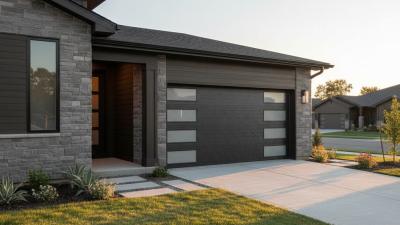
Richard Kinch, a veteran garage-door industry consultant, has said, “The best garage door is the one that fits the home, the climate, and the owner’s expectations.” That principle matters when comparing Chinese suppliers. A coastal buyer may need corrosion-resistant finishes. A cold-climate buyer may prioritize polyurethane insulation and tight perimeter seals. A modern villa may require flush panels, narrow windows, and quiet motors.

The ranking is not absolute. Product quality can vary between factories. Certification claims also deserve careful checking. Each selected style is evaluated through practical experience, technical specifications, and current industry evidence. The goal is simple: help global buyers choose garage door styles that look appropriate, operate reliably, and remain sensible after installation.
China Top 10 Garage Door Styles for Global Buyers

How Chinese Garage Door Styles Are Classified for Global Buyers

China Top 10 Garage Door Styles for Global Buyers

For global buyers, Chinese garage door styles are classified by operation, panel structure, material, and appearance. The main operating groups include sectional, roller, tilt-up, side-hinged, sliding, and bi-fold doors. Sectional doors use horizontal panels and overhead tracks. Roller doors coil into a compact head box. This matters in tight driveways.

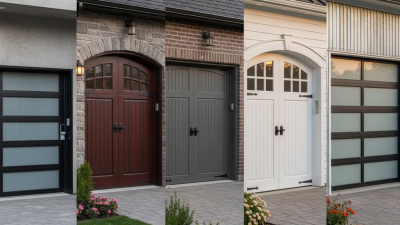
Panel design creates another useful category. Common options include raised-panel, flush-panel, full-view glass, carriage-house, and wood-grain finishes. Materials usually include galvanized steel, aluminum, glass, and engineered wood. Insulated steel doors often use polyurethane or polystyrene cores. The right choice depends on climate, wind exposure, opening size, and maintenance expectations.

Market data supports this practical classification. Fortune Business Insights valued the global garage door market at about US$7.62 billion in 2023. Its report projects approximately US$11.74 billion by 2032, reflecting demand for replacement and automated systems. Industry specifications also distinguish doors by thermal performance, safety hardware, and cycle ratings. Chinese suppliers may place one model in several categories. The boundary is not perfect. A carriage-house door can be sectional, insulated, and motorized at the same time. Buyers should request drawings, panel thickness, wind-load data, test reports, and cycle-test results before comparing quotations. Small details matter. A decorative surface does not prove structural strength.

The Top 10 Garage Door Styles Made in China

The Top 10 Garage Door Styles Made in China

Chinese manufacturers offer diverse garage door styles for residential, commercial, and workshop projects. Common choices include sectional, roller, side-hinged, sliding, and carriage-house doors. Flush-panel and raised-panel designs suit modern and traditional properties. Full-view glass doors bring daylight into workshops and showrooms. Louvered doors support airflow, while insulated sandwich-panel doors help control indoor temperatures. These ten styles cover many practical needs.

Material selection should match the project’s climate and daily use. Galvanized steel provides strength and corrosion resistance when properly coated. Aluminum reduces weight and suits full-view designs. Insulated panels can improve comfort, but their performance depends on thickness and sealing quality. Factory checks should cover panel dimensions, spring balance, track alignment, surface coating, and hardware durability. Buyers should request drawings, test records, and spare-part information before production.

Pricing is not the whole story. A low-cost door may require more adjustment during installation. That can weaken its real value. Yet heavier insulation is not automatically better for every building. Opening size, wind exposure, humidity, and operating frequency deserve careful review. Some buyers also overlook local installation conditions. A specification can still miss an on-site problem. Color samples matter, especially for custom finishes. Small differences may appear between samples and large production batches. Verify local building requirements and electrical compatibility before shipment.

Materials, Functions, and Design Features of Each Door Style

China Top 10 Garage Door Styles for Global Buyers

Sectional doors use galvanized steel, aluminum, or insulated sandwich panels. They lift vertically and save driveway space. Roller doors use aluminum slats and compact above-opening cylinders. They suit narrow garages and windy locations. Up-and-over canopy doors commonly use steel or timber. Their single panel swings outward before lifting, so clearance matters. Retractable up-and-over doors move fully inside the garage. They provide smoother operation but need accurate ceiling space.

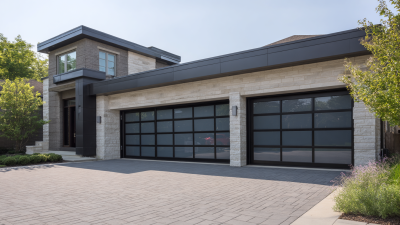
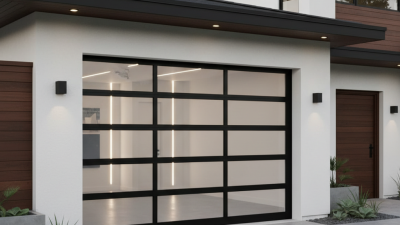
Side-hinged doors often combine steel, timber, or composite panels. They offer quick pedestrian access and a traditional appearance. Sliding barn-style doors use steel frames or timber boards. They work well in wide garages with strong side walls. Full-view doors pair aluminum frames with tempered or insulated glass. They bring daylight, but glass increases weight and cleaning needs. Carriage-house doors imitate historic swing doors while using modern sectional mechanisms. Flush-panel doors have clean surfaces and suit contemporary buildings. Raised-panel doors create shadows and visual depth. They remain popular for residential projects. Design quality varies more than catalog images suggest.

Tips: Confirm opening dimensions, wind exposure, insulation targets, and local safety requirements before ordering. Check hinges, rollers, seals, and spring ratings carefully. Ask for material thickness and coating details. A darker finish can absorb intense sunlight and age faster. I have seen attractive doors underperform because drainage was overlooked. Leave room for adjustment. Regional terminology can also cause mistakes, so drawings and samples are worth requesting.

China Top 10 Garage Door Styles for Global Buyers

Materials, functions, and design features of each door style

The 0–5 scores represent typical design capability: 0 = limited, 5 = strong. Actual performance depends on construction, material thickness, glazing, insulation, hardware, and local building requirements.

How to Compare Chinese Garage Door Styles for Different Projects

China Top 10 Garage Door Styles for Global Buyers

Comparing Chinese garage door styles starts with project conditions, not appearance. A sectional door suits insulated residential garages and moderate daily use. Its horizontal panels lift beneath the ceiling, leaving the driveway clear. For compact plots, a roller door stores inside a narrow overhead box. Measure headroom carefully. Low ceilings may require different tracks or custom brackets. Full-view aluminum doors create bright showrooms, but glass increases weight and heat gain. Steel swing or carriage-style doors add a traditional façade. They need clear space outside the opening.
Often overlooked.

In my project reviews, I compare opening size, wind exposure, insulation, operating cycles, and maintenance access. Ask for panel thickness, foam density, hinge design, and tested load data. Do not rely on photographs. Coastal sites may need stronger corrosion protection than inland warehouses. Humid garages can expose weak seals quickly.

Check motor compatibility, manual release, spare-part availability, and installation drawings before ordering. Sliding or heavy-duty sectional systems may suit large openings, but they require side room and stronger supports.

The cheapest quotation is not always the lowest project cost. I once overvalued appearance and underestimated floor accuracy. A difference of only a few millimeters caused installation adjustments. That mistake was avoidable.

Allow time for a site survey, sample inspection, and local code review. Chinese production offers many configurations, but reliable results depend on documented specifications and consistent inspection.

Key Buying and Import Factors for International Customers

China Top 10 Garage Door Styles for Global Buyers

Key Buying and Import Factors for International Customers

Garage door style should follow climate, opening size, and installation practice. Sectional doors suit many residential projects because their panels move vertically and save driveway space. Roll-up doors fit compact commercial openings, while side-hinged and tilt-up designs serve traditional buildings. Glass and aluminum models offer modern appearance, but they may require stronger hardware in coastal areas.

Market evidence supports careful segmentation. Grand View Research reported that the global garage door market was valued at approximately USD 7.7 billion in 2023, with continued growth expected through 2030. The report highlights residential construction, renovation, and automated access as major demand drivers. However, market estimates vary between research firms. Buyers should not treat one forecast as certainty. Measure twice.

For international orders, confirm panel thickness, wind-load ratings, thermal performance, spring-cycle testing, and motor voltage before negotiating price. Request drawings, packing dimensions, spare-parts lists, and installation instructions in the buyer’s language. The World Bank’s Logistics Performance Index shows that customs clearance and shipment reliability remain important differences between markets. A low factory price can lose its advantage through oversized packaging or port storage fees. Check the destination’s safety standards, labeling rules, electrical requirements, and permitted materials with a qualified local professional. Also review Incoterms, insurance coverage, warranty response time, and replacement-part availability. Details matter. A recurring sourcing mistake is choosing a fashionable finish before confirming local weather exposure and service capability.

China Top 10 Garage Door Styles for Global Buyers - Key Buying and Import Factors for International Customers
Garage Door Style Operating Method Common Materials Insulation Potential Typical Applications Main Space Requirement Key Import and Compliance Checks Important Buyer Considerations
Sectional Garage Door Horizontally hinged panels travel vertically, then run along ceiling tracks. Galvanized steel sandwich panels, aluminum frames, timber or composite finishes. High when supplied with polyurethane or polystyrene foam cores; sealing quality is also important. Residential garages, villas, townhouse projects and light commercial buildings. Requires clear ceiling space for horizontal tracks and a suitable headroom area. Confirm panel thickness, safety edge protection, spring or counterbalance testing, motor voltage, manuals and applicable local machinery or building requirements. Easy to automate and ship in knock-down packaging. Check opening dimensions, track geometry, wind exposure and replacement-panel availability.
Roller Shutter Garage Door Flexible or rigid slats roll around a barrel positioned above the opening. Aluminum or galvanized steel slats, steel guides and an aluminum or steel housing. Low to medium; insulated slats and perimeter seals can improve thermal performance. Compact garages, urban homes, parking areas and locations with limited ceiling space. Needs sufficient lintel or headroom for the roll and side clearance for guide rails. Check curtain wind resistance, emergency release, anti-drop protection, motor voltage, control frequency and pinch-point safeguards. Space efficient and generally simple to install. Confirm the rolled curtain diameter, maximum width, corrosion protection and noise expectations.
Side-Hinged Garage Door One or two leaves swing outward or inward on vertical hinges. Steel, aluminum, timber, composite panels and glazed sections. Low to medium, depending on leaf thickness, frame design and weather seals. Traditional homes, workshops, agricultural buildings and garages requiring pedestrian access. Requires a clear swing area in front of or behind the door and a level threshold. Verify hinge load capacity, frame tolerances, locking hardware, weather resistance and whether outward opening complies with local regulations. Easy to operate manually and convenient for frequent pedestrian entry. Consider wind hold-open devices and stronger hinges for wide leaves.
Canopy Up-and-Over Door A single rigid panel tilts upward and projects outward before resting under the ceiling. Pressed steel, timber, aluminum or composite-faced panels. Usually low to medium; insulation can be added but may increase panel weight. Standard residential garages and replacement projects with traditional openings. Needs headroom, side clearance and a driveway setback because the panel typically projects outward. Check projection distance, counterbalance performance, anti-drop devices, frame size and compatibility with automatic operators. Often economical and visually simple. It is less suitable where the driveway is short or where a door must not swing across a public path.
Retractable Up-and-Over Door A single panel lifts and retracts fully into the garage on horizontal tracks. Steel, aluminum, timber, composite panels and optional glazing. Low to medium, with performance determined by panel construction and perimeter seals. Residential garages where smooth automated operation and a clean ceiling position are preferred. Requires ceiling tracks and clear internal space; it generally avoids outward projection during opening. Confirm operator compatibility, track load rating, safety reversal, emergency release and the required installation clearances. Suitable for automation but may reduce overhead storage space. Compare the complete system weight, not only the panel weight.
Side-Sliding Garage Door Door leaves or sectional panels slide horizontally along a wall beside the opening. Steel sandwich panels, aluminum frames, timber, composite panels or glazed sections. Medium to high when insulated panels and continuous seals are used. Garages with limited ceiling height, converted spaces and openings requiring partial access. Needs a long, unobstructed side wall and a level floor or accurately aligned bottom guide. Check wall-side clearance, floor loading, guide design, anti-lift protection, motor controls and safety sensors. Allows partial opening for people or bicycles. Confirm that internal shelving, pipes and electrical equipment do not obstruct the sliding path.
Full-View Aluminum and Glass Door Sectional or framed panels travel vertically on tracks, usually with automatic operation. Powder-coated or anodized aluminum frames with tempered, laminated or insulated glass. Medium; thermally broken frames and insulated glazing provide better performance than single glazing. Contemporary homes, showrooms, restaurants, studios and mixed-use buildings. Requires ceiling tracks and adequate headroom; glass leaves need careful handling and storage. Specify glass type, safety glazing classification, frame finish, wind-load design, packaging protection and local energy-code requirements. Offers strong daylight and a modern appearance but has higher breakage risk, packaging cost and cleaning requirements than opaque doors.
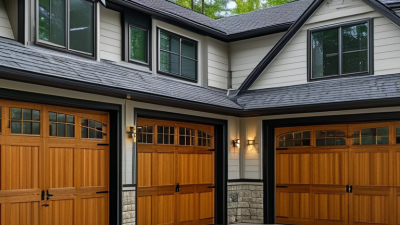
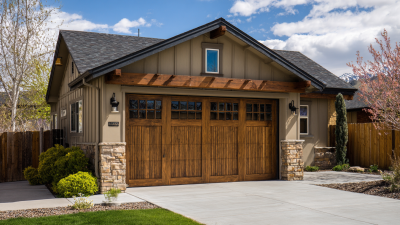
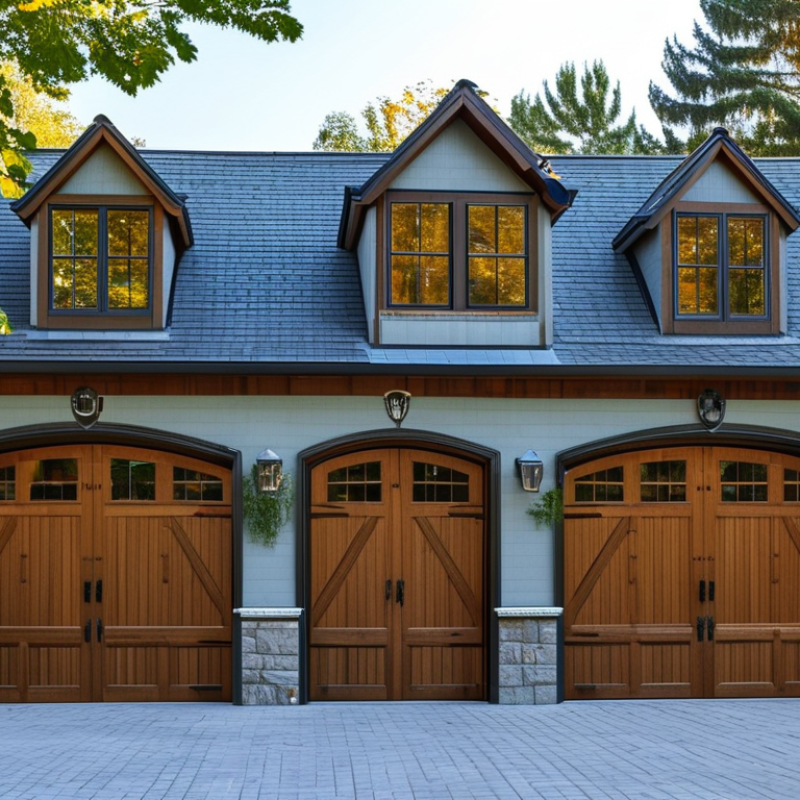
Carriage-House Style Door Usually operates as a sectional or up-and-over door while visually imitating traditional swing-open carriage doors. Steel or composite panels, timber, decorative hardware and optional glazing. Medium to high when built as an insulated sectional door; traditional swing versions may be lower. Heritage-style residences, premium housing, cottages and architectural renovation projects. Space requirements depend on the underlying mechanism; sectional versions need overhead tracks, while swing versions need a clear arc. Clarify whether decorative hardware is functional, verify panel construction, coating durability, hardware corrosion resistance and automation compatibility. Provides traditional appearance with modern operation when sectional construction is used. Confirm color matching and accessory consistency across batches.
Fire-Rated Industrial Door Typically rolls or slides vertically and closes automatically when a fire alarm or heat-release system is activated. Fire-resistant steel curtains, guides, brackets and tested fire-rated components. Designed primarily for fire resistance rather than everyday thermal insulation. Industrial buildings, warehouses, plant rooms, parking structures and compartment boundaries. Requires a structurally suitable wall, headroom or side room, and access for inspection and maintenance. Request valid fire-test evidence for the complete door assembly, rating period, closing mechanism, release system and local authority acceptance. Do not treat a standard roller door as fire-rated. Confirm testing is applicable to the intended wall type, orientation and installation method.
High-Speed Fabric or Flexible Door Flexible curtain opens rapidly by rolling, folding or traveling vertically through side guides. PVC-coated fabric, reinforced textile, aluminum or galvanized steel frames. Low to medium; seals and air leakage control are generally more important than panel insulation. Factories, logistics facilities, parking facilities, service bays and controlled-temperature areas. Needs clear side guides, operator access and adequate structural support above the opening. Check opening-cycle rating, wind retention, emergency exit function, control voltage, safety sensors and replacement-curtain specifications. Useful for traffic separation and energy savings through rapid operation. Confirm repair procedures and spare-part availability before import.
Import note: Dimensions, wind-load requirements, insulation values, electrical specifications and safety obligations vary by destination market. Buyers should request project-specific drawings, packing details, installation instructions, test reports and customs classification information before placing an order.