How to Choose the Perfect Wood Garage Door for Your Home?
When selecting the perfect wood garage door for your home, several factors must be considered. Research indicates that nearly 70% of homeowners want their garage door to enhance curb appeal. A wood garage door can add warmth and charm to any property. However, with various styles and materials, the choices can be overwhelming.
Quality and maintenance are essential aspects. A well-constructed wood garage door typically lasts 15 to 30 years. Still, it may require regular upkeep to avoid warping and rotting. In fact, data shows that doors needing frequent repairs can cost homeowners an average of $500 annually. Reflecting on these statistics may influence your decision-making process, as durability plays a crucial role.
Additionally, the design should complement your home’s architecture. A mismatched style can detract from the overall aesthetic. Choosing the right wood species adds to the challenge. While some woods are more durable, they may also come with a higher price tag. Weighing these options is vital in finding a balance between beauty and functionality.
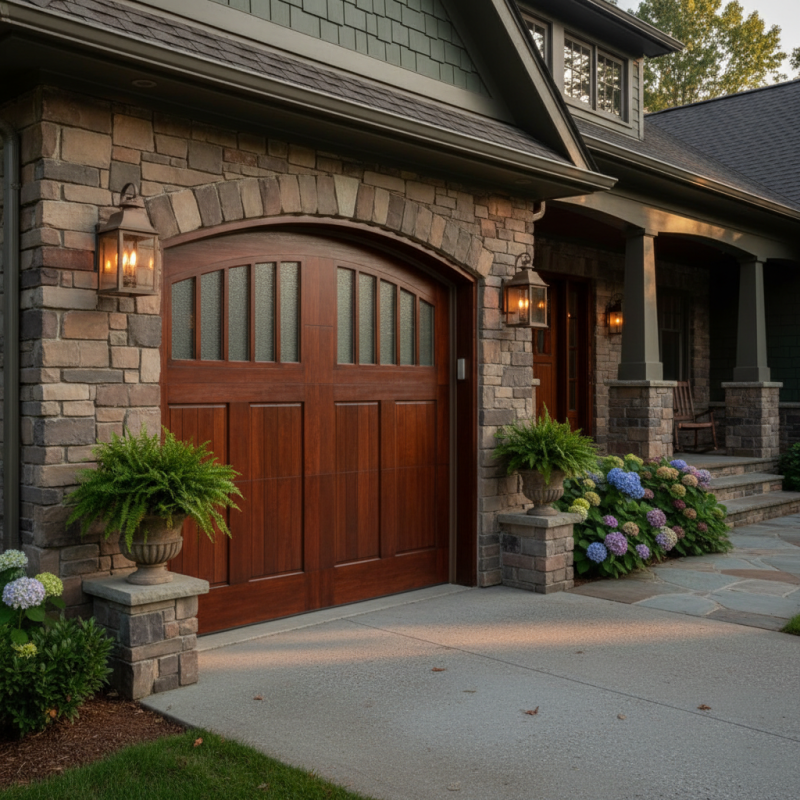
Factors to Consider When Choosing a Wood Garage Door
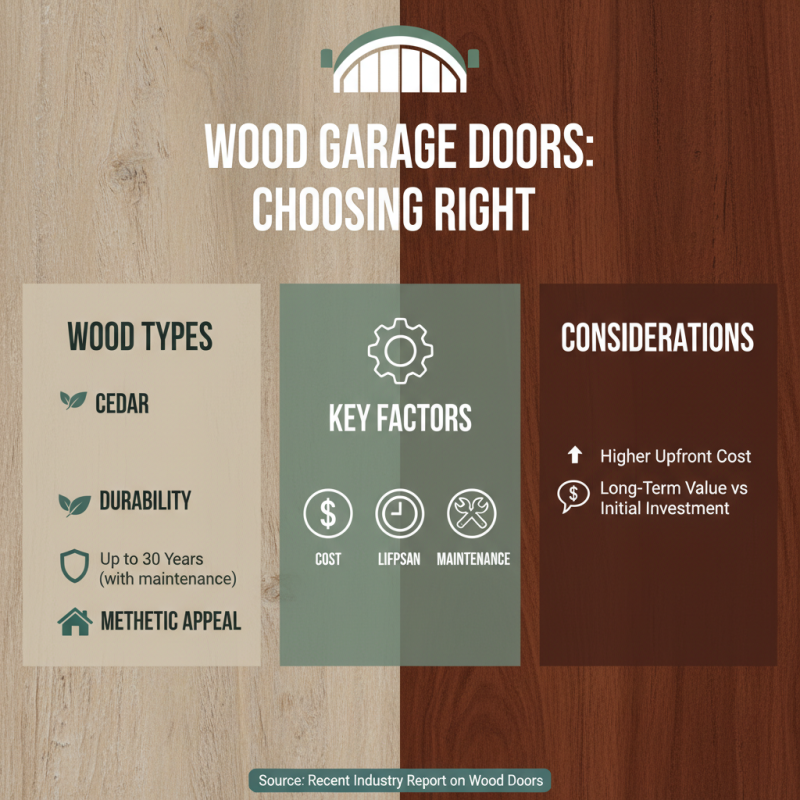
Choosing the right wood garage door involves several critical factors. The type of wood is essential. Some popular choices include cedar and mahogany, known for their durability and aesthetic appeal. According to a recent report, cedar doors can last up to 30 years with proper maintenance. However, higher upfront costs can be a concern for many homeowners.
Another important aspect is insulation. Insulated wood doors significantly improve energy efficiency. Research indicates that well-insulated doors can reduce heating bills by 20-30%. This is a factor that can’t be overlooked. A beautiful door won’t matter if it leads to higher energy costs.
Consider style and design compatibility as well. Your garage door should complement the overall look of your home. Some designs may not suit all architectural styles. An out-of-place design can feel awkward. Home style should dictate the choice. Remember, what works for one home may not work for another. In the end, every choice in your garage door can reflect more than just functionality. It signifies your home’s character.
Types of Wood Suitable for Garage Doors
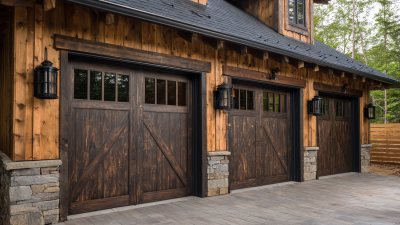
When choosing the perfect wood garage door, the type of wood greatly influences its aesthetic and longevity. Popular choices include cedar, mahogany, and pine. Cedar is naturally resistant to rot and insects. It also has a beautiful grain that adds rustic charm. However, its softer surface may dent more easily. Be cautious while handling heavy items around it.
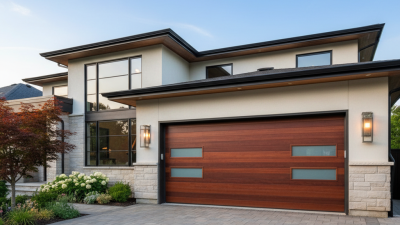
Mahogany offers durability and resistance to weathering. This wood has a rich, deep color that can elevate your home’s appearance. Yet, it can be pricier, making it a less accessible option for some. Always consider your budget and design preferences.
Pine is another common option. It is lightweight and easy to work with. While it can be less expensive, it tends to warp over time. Regular maintenance is crucial. Sanding and treating pine frequently can prolong its life.
Tips for selecting the best wood: think about your climate. Is it humid or dry? Think about colors too. Light woods brighten, while dark woods add warmth. Take your time. Make a list of priorities to help narrow your choices.
Design Styles and Customization Options
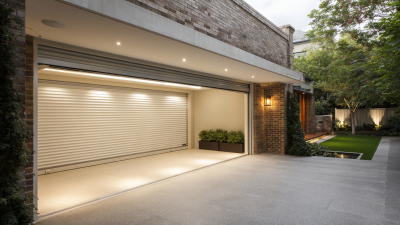
When selecting a wood garage door, design styles and customization options play a crucial role. Various styles, like traditional, modern, or rustic, cater to different tastes. According to a study by the National Association of Realtors, a well-chosen garage door can enhance curb appeal by 10%. This emphasizes the importance of aligning your garage door design with your home’s architecture.
Customization is where fun begins. You can choose colors, wood types, and finishes. Popular choices include cedar or mahogany that offer durability and aesthetic charm. About 65% of homeowners today opt for custom features, such as decorative hardware and windows. These personal touches can elevate the overall look and feel of your garage, making it a unique reflection of your style. Think about how these elements fit with your home.
Have you considered the long-term maintenance of different woods? This could influence your final choice.
However, not every custom option suits every budget. The average cost of a custom wood garage door is around $3,500. If you're not careful, costs can quickly escalate. Sometimes, a balance between aesthetic and practicality might not be easy to achieve. Reflect on how much value these elements add to your home versus their long-term upkeep.
Maintenance and Durability of Wood Garage Doors
Wood garage doors are stunning. They add warmth and character to any home. However, maintenance is crucial to keep them looking fresh. Exposure to weather elements can lead to wear. Regular attention helps avoid costly repairs.
Sealing and staining the wood every few years is essential. It protects against moisture and sun damage. Without proper care, wood can warp or crack. These issues can compromise both appearance and function. Simple tasks like cleaning with mild soap can make a difference.
Consider the environment before choosing wood. In humid areas, wood can swell and fill gaps. In dry climates, it might shrink and cause cracks. Each climate poses unique challenges. Reflect on your local weather before deciding. A bit more attention can enhance durability significantly.
Durability Comparison of Wood Garage Doors
Cost Considerations and Budgeting for Purchase
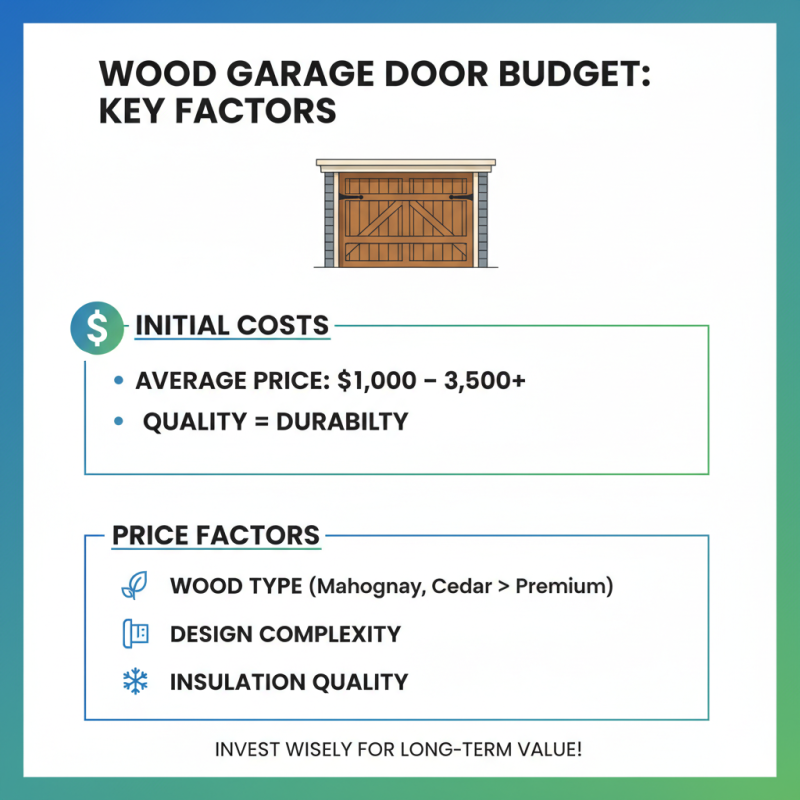
When budgeting for a wood garage door, initial costs are crucial. The average price range for a quality wood garage door typically falls between $1,000 and $3,500. This wide spectrum reflects differences in wood type, design complexity, and insulation quality. Mahogany and cedar are popular, but they come at a premium. Those selecting lower-grade woods should consider durability, as cheap options might require replacement sooner.
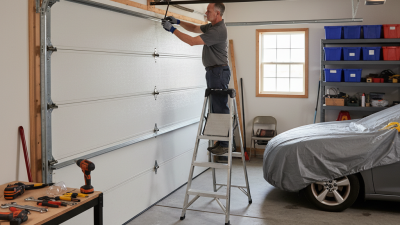
Installation costs can add another $300 to $1,000 to your budget. Hiring a professional is often recommended, as improper installation can lead to operational issues. Industry reports indicate that poorly installed doors can decrease lifespan by up to 30%. This investment is essential to avoid costs from repairs or replacements down the line.
Maintenance also plays a key role in long-term budgeting. A well-maintained wood door can last for many years, but neglect can lead to significant expenses. Regular sealing or staining might cost $200 annually. Failing to account for these ongoing costs can result in surprising expenses. Balanced budgeting is vital for a satisfactory purchase experience.