How to Choose the Right Garage Door Panel for Your Home?
Choosing the right garage door panel for your home can be a daunting task. With various styles and materials available, making the right choice is crucial. Industry expert John McKenzie stated, "The right garage door panel can enhance your home's curb appeal." This highlights the importance of selecting a panel that not only fits your needs but also complements your property.
When considering a garage door panel, think about durability and insulation. Different materials, like steel or wood, have distinct properties. For instance, steel panels often provide better security, while wood can bring warmth and charm to your home. However, wood requires more maintenance and has its own set of challenges.
It's also essential to reflect on the design and color. A mismatch can detract from your home's aesthetic. Often, homeowners may overlook the long-term effects of their choice. A garage door panel should not only be functional but should also resonate with your personal style. Ultimately, making an informed decision today can lead to satisfaction for years to come.
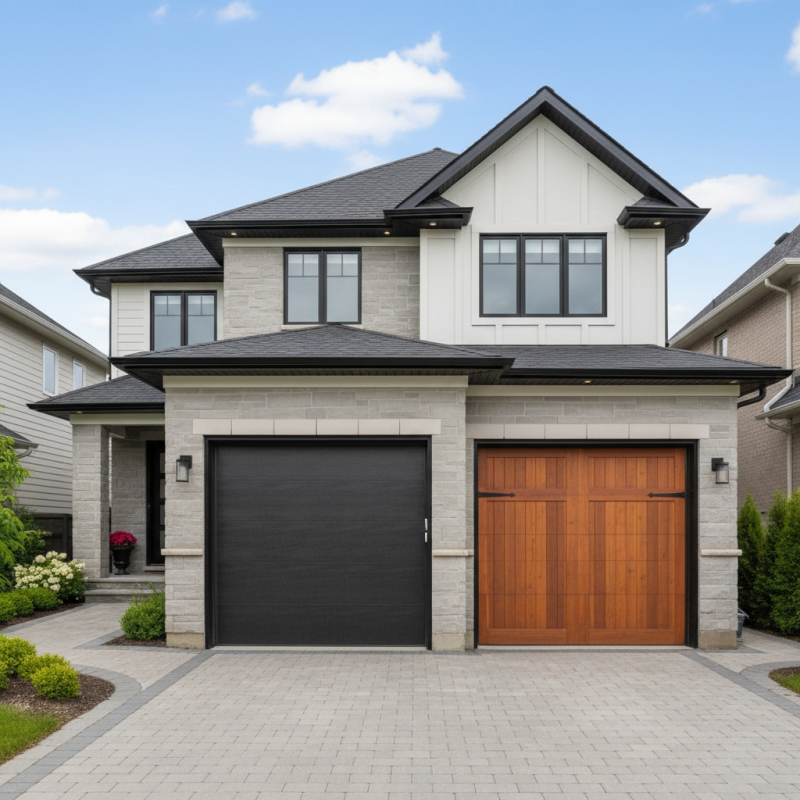
Understanding Different Types of Garage Door Panels
When choosing a garage door panel, it’s essential to understand the available types. Steel panels are robust and provide good security. They can withstand harsh weather conditions and resist dents. On the flip side, they may require more maintenance to prevent rust.
Wood panels offer a classic look and excellent insulation. However, they can warp over time. If not properly sealed, they may attract pests. Vinyl panels are lightweight and resistant to fading. They require little maintenance; however, their impact resistance varies.
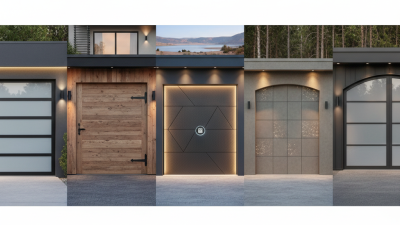
When selecting a panel, consider your home's style. A modern home may benefit from sleek, minimalist designs. Traditional homes often suit classic wood or raised panel styles. Reflect on your needs carefully. The right choice enhances curb appeal and functionality, yet it’s vital to ponder the long-term implications of each material.
How to Choose the Right Garage Door Panel for Your Home?
Understanding Different Types of Garage Door Panels is crucial for making the right choice. Below is a bar chart displaying the popularity of various garage door panel types based on homeowner preferences.
Factors to Consider When Choosing Garage Door Panels
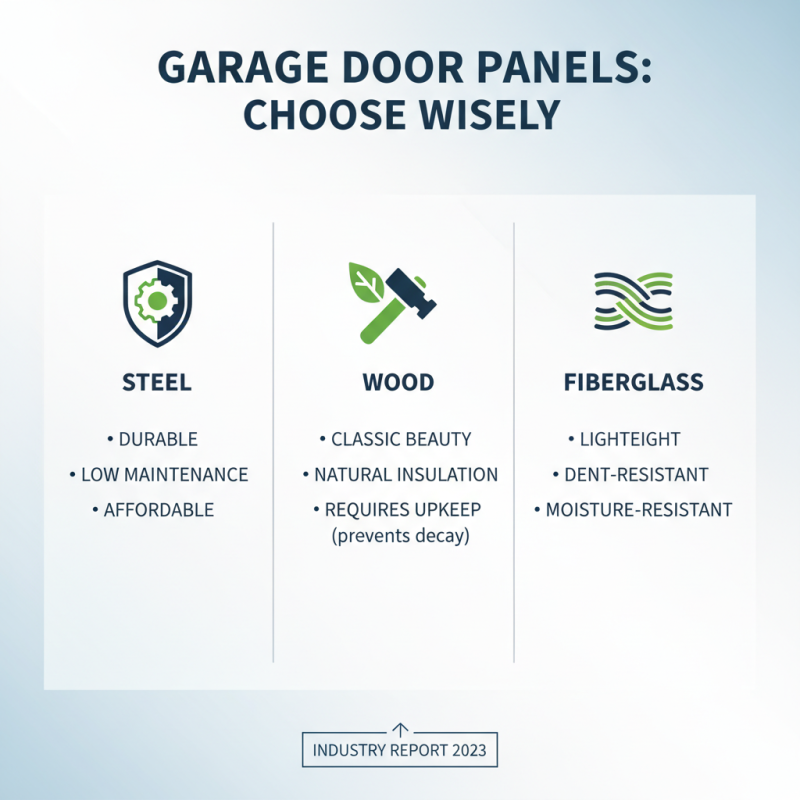
Choosing the right garage door panel for your home involves several factors that can impact aesthetics and functionality. One key consideration is the material. Steel, wood, and fiberglass panels each offer distinct benefits. According to recent industry reports, steel offers durability and low maintenance, while wood provides classic beauty. However, wood requires regular upkeep to prevent decay.
Insulation is another crucial factor. Well-insulated panels can improve energy efficiency and keep your garage comfortable. The U-factor rating measures insulation efficiency. A lower U-factor indicates better insulation, which can lead to cost savings in energy bills. A study published by the Department of Energy highlights that insulated doors can reduce heating costs by up to 20%.
Tips: Consider the climate in your area. If you experience extreme temperatures, opt for well-insulated panels. Always check the warranty and service options. A strong warranty can indicate the manufacturer's confidence in the product. Be aware of your budget. High-quality materials might seem costly upfront but can save you money in the long run.
Remember, the style should complement your home’s curb appeal. Choose colors and designs that enhance the overall look. Reflect on your choices. Sometimes, the trends may not suit your taste or home design, leading to dissatisfaction later. Take your time evaluating your options.
Materials Used in Garage Door Panels and Their Benefits
When selecting garage door panels, the material plays a crucial role in durability and insulation. Common materials include steel, aluminum, wood, and fiberglass. Steel offers strength and resistance to wear, boasting a lifespan of 15 to 30 years. Aluminum is lightweight and rust-resistant, making it ideal for coastal areas.
Wood panels, while aesthetically pleasing, require regular maintenance. They can warp or crack due to weather changes. Research shows that untreated wood can last only 5 to 10 years. Fiberglass offers a good balance, being lightweight and resistant to dents but may fade over time.
Tip: Always consider your local climate when choosing materials. For instance, in humid environments, fiberglass or aluminum is preferable due to their resistance to moisture.
Cost is another factor to ponder. Steel panels may have a higher initial cost but often need less maintenance over time. Wood panels, while cheaper initially, may result in higher long-term expenses due to upkeep.
Tip: Evaluate the long-term benefits versus the upfront costs. Investing in durable materials can save you money later. Always consider the overall aesthetic of your home and how the garage door fits into that picture.
Aesthetic Considerations for Garage Door Panel Selection
When selecting a garage door panel, aesthetic considerations play a significant role. The right door can enhance your home's curb appeal. Texture and color matter. Do you prefer a sleek modern finish or a rustic look? Each style can evoke different feelings. A bright color can make a bold statement, while neutral shades offer subtle elegance.
Think about the architectural style of your home. A traditional house may suit a classic panel design with decorative elements. On the other hand, contemporary homes might benefit from minimalist aesthetics. Consider if the design harmonizes with other exterior elements. Mixing styles can sometimes lead to an unbalanced appearance.
Reflect on the panel material as well. Wood lends warmth but requires more maintenance. Steel options are durable but may lack the charm of natural materials. Think critically about your choices. Each panel's design not only reflects your personality but also impacts your overall home vibe. Take your time. Visualize how each option fits in with your vision. It's an important decision that shouldn't be rushed.
Maintenance Tips for Your Chosen Garage Door Panels
Choosing the right garage door panel is crucial for both aesthetics and functionality. Once you've made your choice, maintenance becomes vital. Unattended garage doors can lead to costly repairs. According to the National Association of Home Builders, regular maintenance can extend a garage door's lifespan by up to 30%.
Regularly inspect your panels for signs of wear. Look for cracks, rust, or dents. Use a soft cloth and gentle cleaner to remove dirt. Ensure that seals and weather stripping are intact. This prevents drafts and can improve energy efficiency. Surprisingly, 70% of homeowners neglect this simple upkeep. A lack of attention often leads to bigger, more expensive problems down the line.
Lubrication is another key aspect. Apply lubricant to the moving parts every six months. This helps reduce friction, leading to smoother operation. However, over-lubricating can attract dirt, making the situation worse. Remember, not all lubricants are equal. Research is needed before selecting one. Always keep an eye on the door’s balance and alignment; slight misalignments can lead to serious issues. Regular maintenance is essential for preserving your investment and ensuring your garage door performs optimally.
How to Choose the Right Garage Door Panel for Your Home? - Maintenance Tips for Your Chosen Garage Door Panels
| Panel Type |
Material |
Insulation |
Maintenance Tips |
Lifespan |
| Raised Panel |
Steel |
Yes |
Regular cleaning and lubrication of moving parts. |
15-30 years |
| Traditional Panel |
Wood |
No |
Regular sealing and repainting to prevent weather damage. |
10-20 years |
| Contemporary Panel |
Aluminum |
Yes |
Check for dents and scratches; clean with mild soap. |
20-30 years |
| Carriage House Panel |
Composite |
Yes |
Inspect hardware regularly; apply weather stripping as needed. |
15-25 years |