How to Choose the Best Overhead Garage Door for Your Home?
Choosing the right overhead garage door is crucial for any homeowner. According to Mark Daniels, an expert in the overhead garage industry, “A garage door defines the look and function of your home.” His insight emphasizes the need for careful consideration in this decision.
When selecting an overhead garage door, factors like material, insulation, and design are essential. Steel doors are durable but may not suit every aesthetic. Wood doors offer a classic look, yet require maintenance. It is important to reflect on your home’s style while considering functionality and price.
The right choice impacts curb appeal and energy efficiency. A common mistake is overlooking the door’s insulation. Poor insulation can lead to higher energy bills. Homeowners often rush this process, only to regret it later. Take your time to evaluate and choose wisely for long-term satisfaction.
Factors to Consider When Selecting an Overhead Garage Door
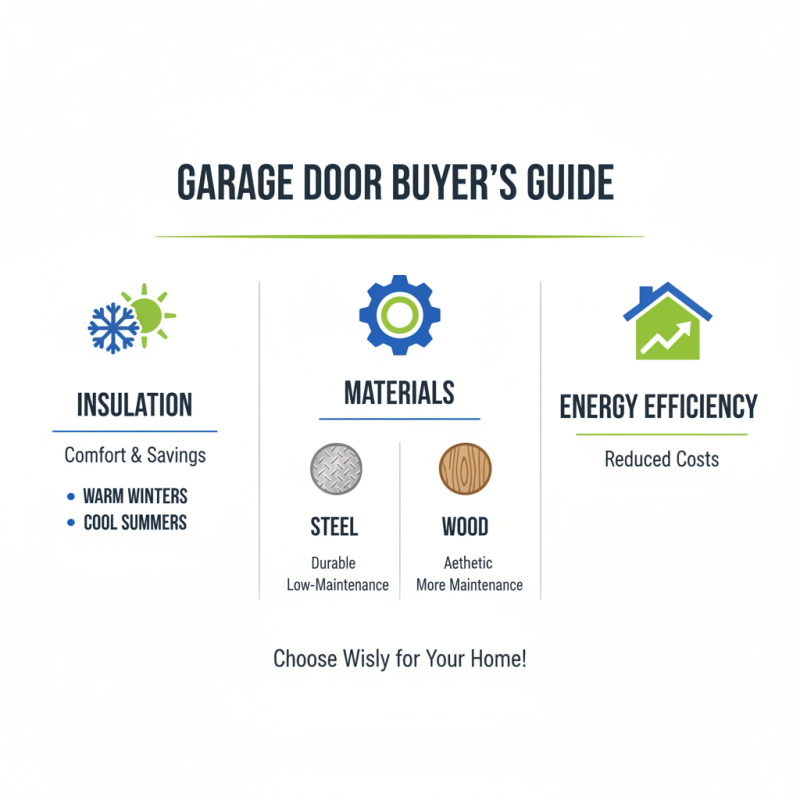
Choosing the right overhead garage door for your home involves several important factors. One key consideration is insulation. Insulated doors keep your garage warm in winter and cool in summer. They also help reduce energy costs. Consider the materials used. Steel doors offer durability, while wood doors provide aesthetic appeal. However, wood requires more maintenance and might not be suitable for all climates.
Another factor to think about is safety features. Look for doors with features like pinch-resistant panels and automatic reversing. These can help prevent injuries. Security is critical as well. A robust locking system ensures your belongings stay safe. Pay attention to the door's style and design, too. Choose a style that complements your home’s architecture.
Lastly, don't forget about budget and warranty. It's easy to overspend on features you don’t need. A comprehensive warranty can also save you from future costs. Sometimes, the most expensive option might not be the best choice. Reflect on these aspects carefully to make a more informed decision for your home.
Types of Overhead Garage Doors and Their Benefits
Choosing the right overhead garage door is essential. Understanding the types available helps narrow down your options. There are primarily four types: sectional, roller, tilt-up, and side-hinged doors. Each type comes with unique benefits tailored to different needs.
Sectional doors are popular and versatile. They consist of panels that move vertically. These doors save space and can handle various weather conditions. According to industry reports, they occupy 75% of the market share due to their efficiency. Roller doors are another choice. They have minimal components and can be easily installed. Their compact design is excellent for tight spaces. Tilt-up doors are less common. They swing out before lifting, which may require more driveway space. Finally, side-hinged doors provide a classic look. They open outward, so it’s crucial to consider your driveway space further before selecting.
While it's tempting to choose based solely on aesthetics, practicality is vital. Not every type fits all homes perfectly. Assess insulation options; a poorly insulated door can increase energy costs. This is especially true in regions with harsh weather. Ultimately, the best choice hinges on your lifestyle, budget, and specific garage dimensions. Make sure to weigh these factors thoroughly.
How to Choose the Best Overhead Garage Door for Your Home? - Types of Overhead Garage Doors and Their Benefits
| Type of Garage Door |
Material |
Insulation |
Cost Range |
Benefits |
| Roll-up Doors |
Steel |
Good |
$800 - $1,500 |
Space-saving, durable, suitable for high traffic areas |
| Sectional Doors |
Wood, Steel, Aluminum |
Excellent |
$1,000 - $3,000 |
Versatile design options, good insulation, quiet operation |
| Tilt-up Doors |
Wood, Steel |
Fair |
$900 - $2,000 |
Simple design, budget-friendly, easy to repair |
| Side-hinged Doors |
Wood, Steel |
Variable |
$700 - $1,800 |
Traditional look, easy access for pedestrians, durable |
Materials Used in Overhead Garage Doors: Pros and Cons
When selecting an overhead garage door, material plays a crucial role in performance and longevity. Steel doors are the most popular choice, comprising nearly 50% of the market. They are durable and resistant to corrosion, making them ideal for various weather conditions.
However, they can be prone to dents and are less insulative than other materials. This might lead to higher energy bills for homes in extreme climates.
Wood is another commonly used material, favored for its aesthetic appeal. In fact, surveys show that 40% of homeowners consider wood doors the most attractive. However, they require regular maintenance. The wood can warp or rot if not properly cared for. Furthermore, they can be significantly heavier than steel doors, impacting their ease of use over time.
Fiberglass doors are lightweight and resistant to dents. They can mimic wood’s appearance but often come at a higher price point. Research indicates that while fiberglass can withstand harsh climates, they might fade or become brittle under prolonged sun exposure. When choosing the right material, consider both durability and aesthetic appeal, along with your climate and maintenance willingness. Balancing these factors can lead to better decision-making.
Energy Efficiency Ratings and Insulation for Garage Doors
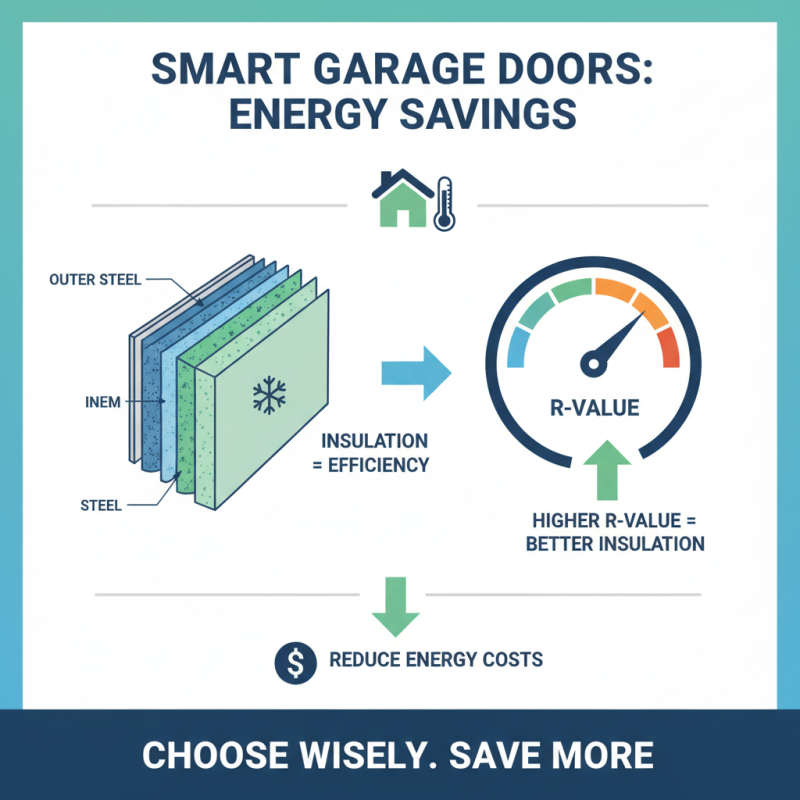
When choosing garage doors, energy efficiency matters greatly. Insulation is key for maintaining your home’s temperature. A well-insulated door can reduce energy costs significantly. Look for doors with high R-values. This value measures thermal resistance. The higher the R-value, the better the insulation.
Consider the materials used in your garage door. Steel doors often provide better insulation than wood. However, wood offers aesthetic appeal. Check for energy efficiency ratings. These ratings can guide your decision. It’s easy to overlook this aspect. Many homeowners might prioritize appearance over insulation.
Reflect on the door’s overall design. A door that looks good outside may not perform well inside. Energy losses can occur through poorly insulated doors. Sometimes, spending extra upfront saves money long-term. Overall, balance aesthetics with energy efficiency. Your garage door should complement both your home and efficiency needs.
Maintenance Tips for Maximizing Garage Door Longevity
Maintaining your garage door is crucial for its longevity. Regular inspections can prevent small issues from escalating. The International Door Association reports that well-maintained doors last around 30 years, compared to poorly cared ones that fail within 10 years. Simple tasks, like lubricating moving parts, can significantly improve performance.
Every few months, check the door tracks for debris. Dust can cause wear and tear. Additionally, inspect the weather stripping. If it's damaged, it may let in moisture, leading to rust. The cost of replacing a door is much higher than the price of basic maintenance.
Consider balancing the door. An unbalanced door can strain the opener, leading to costly repairs. Tests are simple: pull the release cord and check how well it stays open. If it drifts down, you need adjustments. Most homeowners overlook this, potentially compromising safety. Prioritizing these maintenance tips will help your garage door serve you better for years.