10 Essential Tips for Choosing the Right Garage Door Panel
Choosing the right garage door panel can dramatically impact your home’s exterior. Expert John Mason, a leading figure in the garage door industry, states, “The right panel can enhance a home's look and security.” This advice highlights the importance of careful selection.
There are many factors to consider. Material, design, and insulation all play crucial roles. Steel panels offer durability while wood provides a classic charm. However, they each have potential drawbacks. For instance, wood may require more maintenance. It’s wise to weigh the pros and cons before making a final decision.
Visiting showrooms helps visualize your options. Take time to test the strength and finish. It’s often a daunting task; even small details matter. Mistakes can be costly. Reflecting on your choices will lead to a more satisfactory outcome.
Understanding Different Types of Garage Door Panels Available Today
When choosing a garage door panel, it's vital to understand the different types available. There are primarily four types: sectional, roll-up, tilt-up, and side-hinged.
Sectional panels are popular due to their versatility and insulation properties. According to recent industry data, over 70% of homeowners prefer sectional doors for their energy efficiency.
Roll-up panels offer a space-saving solution. They are often used in commercial properties. Tilt-up panels provide a more traditional look and are easy to install. However, their design may limit insulation options. Side-hinged doors can add charm but often require more driveway space. This can be a drawback for smaller properties.
Each type has its pros and cons. That’s where mistakes can happen. Many homeowners overlook the importance of insulation. A poorly insulated door can lead to increased energy bills. In fact, homes with insulated garage doors can see energy savings of up to 20%. Another common error is choosing aesthetics over durability. Sometimes, a stylish panel might not withstand harsh weather. Reflecting on your needs is crucial.
Key Factors to Consider Before Choosing a Garage Door Panel
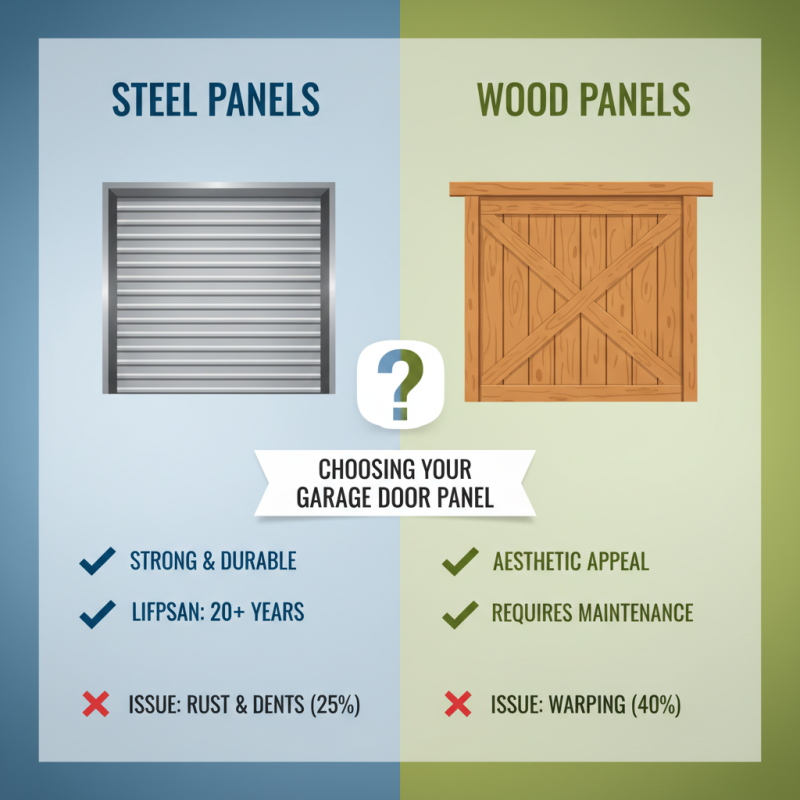
When selecting a garage door panel, consider several key factors. Material choice is crucial. Steel panels are strong and durable, with a lifespan often exceeding 20 years. On the other hand, wood panels offer aesthetic appeal but require regular maintenance. Reports indicate that about 25% of homeowners face rust and dents with steel, while nearly 40% of wood users struggle with warping.
Another important factor is insulation. Insulated panels can reduce energy costs by maintaining garage temperature. According to a recent industry study, houses with insulated doors save up to 20% on heating and cooling bills. However, not all insulated options offer the same benefits. Always check the R-value, which measures thermal resistance. A higher R-value means better insulation.
Aesthetics also play a significant role. Your garage door affects your home's curb appeal. A striking panel can increase property value by approximately 4%. But there's trade-off when choosing designs and colors. Unique designs may not match future trends. Also, be mindful of the long-term implications of your choices. Budget considerations are equally vital. Cost should not dictate quality entirely, but it can lead to regret in the future. Aim for a balance between style, durability, and budget to find the right fit for your home.
Assessing Material Options for Garage Door Panels: Pros and Cons
Choosing the right material for your garage door panel is crucial. Each option comes with its own set of advantages and disadvantages.
Steel is durable. It offers strong protection against weather elements. However, it can rust if not treated properly.
Frequent maintenance might be needed, which some homeowners overlook.
Wood is aesthetically pleasing and provides good insulation. It brings a classic look to any home.
Yet, wood requires regular painting or staining to keep it from warping. Many people forget this, leading to a short lifespan for the panels.
Composite materials combine the best of both worlds. They resist the elements and require less maintenance, but they can be pricier.
Each material has unique characteristics. It’s important to weigh these carefully. Think about your local climate, style preferences, and budget.
Making the right choice now can save money and effort later. Reflect on what matters most to you and choose accordingly.
Evaluating Insulation Properties for Energy Efficiency in Panels
When evaluating garage door panels, insulation properties play a crucial role in energy efficiency. According to the U.S. Department of Energy, a well-insulated garage door can reduce energy loss by up to 70%. This statistic highlights the importance of choosing the right materials for your panels. Look for panels with a minimum R-value of 12, which indicates excellent insulation.
Insulated panels often use materials like polystyrene or polyurethane. Polystyrene is a cost-effective option, while polyurethane provides superior insulation. Ensure you look for panels with at least 1.5 inches of thickness for optimal thermal resistance. Additionally, consider how air leaks can undermine insulation effectiveness. Even small gaps or poor seals can decrease efficiency significantly.
The garage's exposure to sunlight can also impact its energy efficiency. A garage that heats up quickly can affect adjacent living spaces. If not insulated properly, the heat can transfer into your home. Regular maintenance is essential. Check for wear and tear that may affect insulation over time. Conducting an energy audit can help identify where improvements are needed.
Design Aesthetics: Matching Garage Door Panels to Your Home's Style
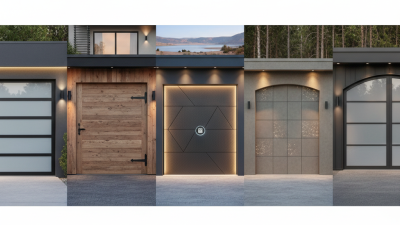
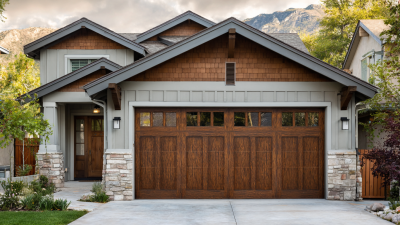
When choosing garage door panels, design aesthetics play a crucial role. Your garage door is a key element of your home’s facade. It can enhance or diminish your property's overall look. Consider the architectural style of your home. A modern house may not suit a traditional, ornate panel. Pay attention to materials and colors. Wood offers warmth, while steel conveys a sleek image. Each option brings a different feel.
Textures also matter. A smooth finish may complement clean lines, while a raised panel can add depth. Experiment with combinations of windows and trim to find what resonates. Some may find it challenging to envision the final look. Visualizing different styles can help clarify the best choice. It’s okay to feel unsure and seek inspiration. Visiting local homes or browsing online can spark ideas. Your garage door should reflect your taste, not just trends. Balancing personal preferences with architectural harmony can be tricky, but it's worthwhile.