Essential Garage Door Maintenance Tips for Long Lasting Performance?
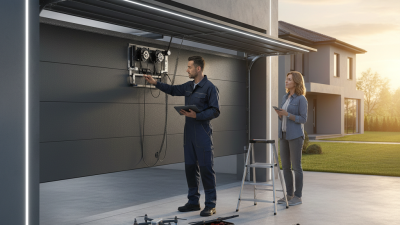
Garage doors play a crucial role in home security and convenience. Regular garage door maintenance is essential for ensuring their longevity and performance. Expert technician James Miller from ABC Garage Services emphasizes, “Neglecting simple upkeep can lead to costly repairs.” This statement highlights the importance of routine checks and timely fixes.
Maintaining a garage door isn't just about repairs when something breaks. It involves regular inspections and proactive measures. Simple tasks, like lubricating the moving parts and checking the alignment, can prevent bigger issues down the road. Many homeowners forget the need for maintenance until they face a malfunction.
The reality is, neglecting garage door maintenance can lead to frustrating and unexpected breakdowns. It’s not just about convenience but also safety. A well-maintained door enhances security and prevents accidents. Ignoring these small tasks may lead to regrets and unnecessary expenses later. Each homeowner should reflect on their maintenance habits and consider improvements.

Proper Lubrication Techniques for Garage Door Components
Proper lubrication is crucial for garage door components. Regularly applying lubricant helps maintain smooth operation and prolongs the lifespan of various parts. A well-lubricated door moves quietly and efficiently, reducing wear and tear.
For best results, use a silicone-based lubricant. This type of lubricant repels dirt and moisture, which can cause rust and corrosion. Focus on key components: hinges, rollers, and tracks. Apply just enough lubricant to cover the surface. Wipe away any excess to prevent buildup.
Many homeowners neglect this maintenance step. As a result, garage doors can become noisy and slow. Skipping lubrication may lead to expensive repairs down the road. Understanding the importance of proper lubrication can prevent frustrations. Consider checking your garage door’s components at least twice a year. Regular attention can save you time and money in the long run.
Essential Garage Door Maintenance Tips for Long Lasting Performance
| Maintenance Task |
Recommended Frequency |
Benefits |
Lubrication Technique |
| Inspect Cables |
Every 6 months |
Prevents wear and tear |
Apply cable lubricant |
| Check Rollers |
Every 3 months |
Ensures smooth operation |
Use silicone spray |
| Test Safety Features |
Monthly |
Ensures user safety |
Not applicable |
| Lubricate Hinges |
Every 6 months |
Prevents rust and corrosion |
Use lithium grease |
| Clean Tracks |
Every 6 months |
Improves door operation |
Wipe with damp cloth, avoid oil |
Regular Inspection Checklist for Garage Door Hardware
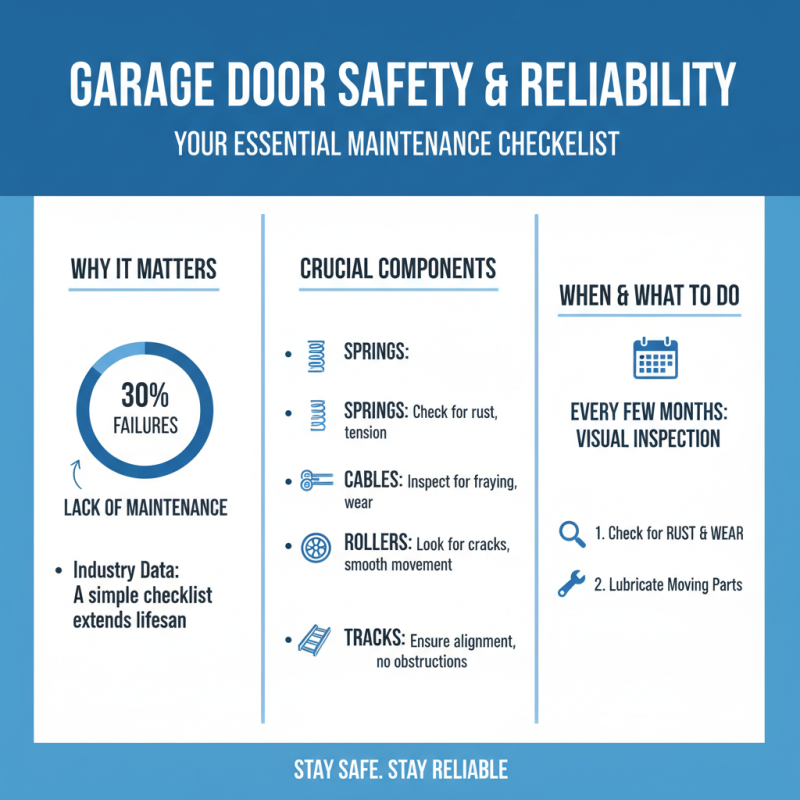
Regular inspection of garage door hardware is essential for ensuring safe and reliable operation. According to industry data, approximately 30% of garage door failures are due to lack of maintenance. A simple checklist can significantly extend the lifespan of your garage door. Checking the springs, cables, rollers, and tracks every few months is crucial. Look for rust or wear on these components.
Pay special attention to the balance of the door. An unbalanced garage door can cause excessive strain on the opener motor. To check if it’s balanced, disconnect from the opener and manually lift it halfway. If it doesn't stay open, the springs may need adjustment. Consider that about 15% of homeowners ignore this inspection, which leads to further damages.
Don’t forget the sensors. Proper alignment ensures they function correctly. Improperly aligned sensors account for 10% of garage door issues. Regularly wipe the lenses clean to prevent interference. Small issues can snowball, leading to expensive repairs or dangerous situations. Keeping a routine maintenance log can help you track these inspections.
Understanding the Role of Springs and Cables in Maintenance
Garage door springs and cables play crucial roles in ensuring the smooth operation of the door. These components bear the weight and tension necessary for lifting heavy doors. Over time, springs can lose tension or break, while cables may fray or snap. Regularly checking these parts can prevent more significant issues down the line.
Take a close look at your springs. If they’re rusty or stretched, it may be time for a replacement. Cables should be inspected for visible damage. Signs of wear include loose cables or unusual noise during operation. While a DIY approach can seem tempting, these elements are under a lot of tension. It’s easy to overlook, but mishandling springs and cables can lead to injury.
Keeping a maintenance schedule is essential. Lubricating springs and cables can help reduce friction and prolong their life. However, it's easy to neglect this task, especially when life gets busy. Regular maintenance should be a priority, not an afterthought. A little effort goes a long way in ensuring your garage door operates efficiently and safely.
How to Keep Your Garage Door Tracks Clean and Functional
Keeping your garage door tracks clean is crucial. Dirty tracks can lead to serious malfunctions. According to industry reports, nearly 35% of garage door issues stem from track problems. Regular maintenance can prevent these headaches. Start by inspecting the tracks for dirt, debris, and signs of wear.
Use a soft cloth or a brush to remove dust and grime. For stubborn dirt, a damp cloth with mild detergent works well. It’s essential to check the alignment of the tracks. Misaligned tracks can cause the door to jam or operate unevenly. Even a slight misalignment can create issues.
Lubricating the tracks is also vital. Use a silicone-based lubricant, as it prevents buildup. Remember, the rollers should glide smoothly. If they stick or produce noise, that’s a warning sign. Look for wear and tear on the rollers and replace them if needed. Neglecting these details can shorten the lifespan of your garage door system. Regular attention to these simple tasks can lead to a much longer, hassle-free performance.
Essential Garage Door Maintenance Tips for Long Lasting Performance
Signs of Wear and Tear: When to Call a Professional for Repairs
Garage doors endure daily use, making them susceptible to wear and tear. Signs of deterioration often manifest as loud noises, slow response times, or misalignment. According to industry reports, approximately 30% of garage door issues arise from insufficient maintenance. Homeowners must remain vigilant.
Inspecting the door's components regularly can save on costly repairs down the line. Pay attention to the springs, cables, and tracks. A frayed cable or rusted hinge can disrupt normal functionality. It’s advisable to seek professional help if any component shows significant wear. Attempting DIY repairs on complex systems can lead to further complications.
Another critical indicator of a malfunctioning garage door is erratic opening and closing. If the door stops halfway or closes unexpectedly, it is time to call a technician. Delaying repairs in such cases can pose safety risks. Not addressing these issues promptly can lead to complete door failure. Ultimately, recognizing these signs can enhance safety and extend the door's lifespan.