How to Install a Garage Door Yourself Easily?
Installing a garage door can be a daunting task. Many homeowners feel overwhelmed by the process. However, with a bit of guidance, it can be a rewarding DIY project. Expert in garage door installation, Jake Thompson, emphasizes, “Understanding the basics is key to a successful installation.”
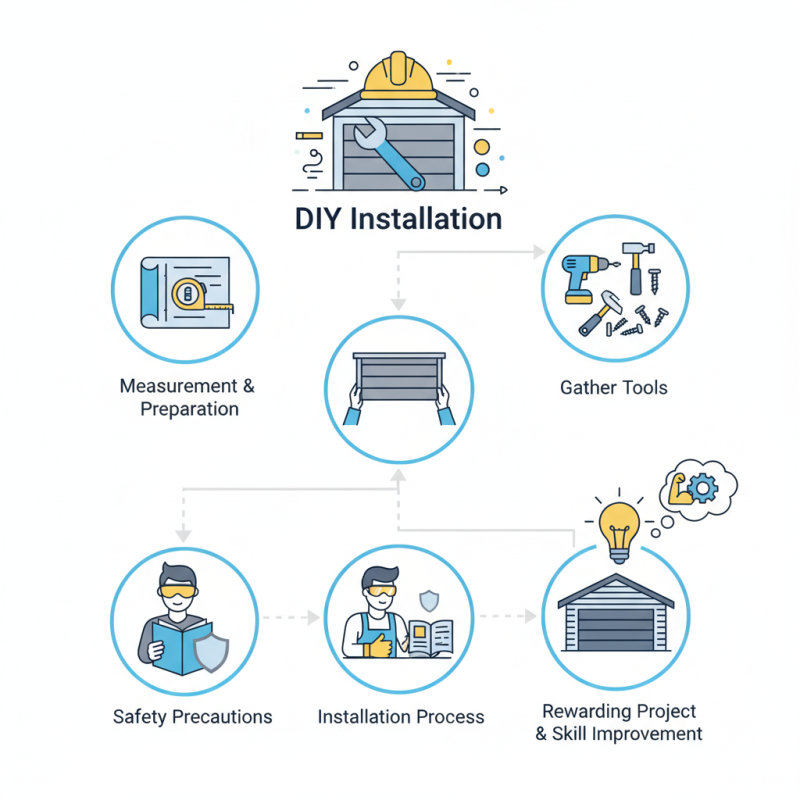
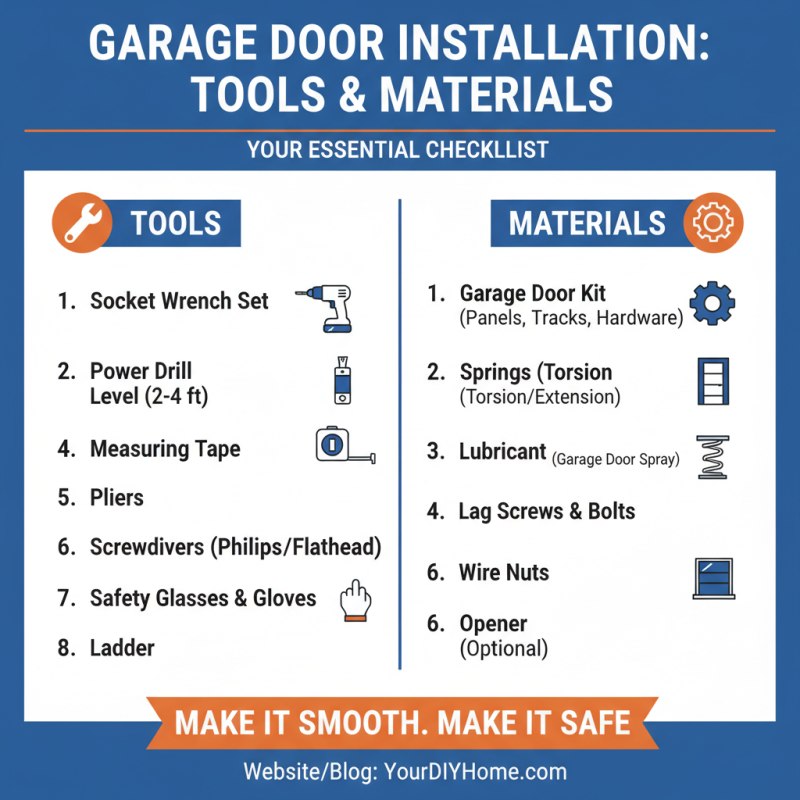
The installation process requires careful measurement and preparation. You're not just hanging a door; you’re enhancing the safety and aesthetics of your home. Make sure you gather all necessary tools. Missing even one small component can result in mishaps. Measure twice to prevent costly errors.
Many people overlook safety precautions during garage door installation. This can lead to dangerous situations. Always wear protective gear and consult the manual. It’s easy to lose patience when problems arise, but remember, persistence pays off. Reflect on the challenges, and you'll likely improve your skills for future projects.
Understanding Your Garage Door Installation Needs
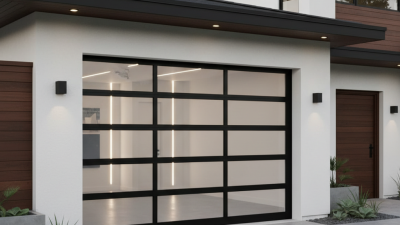
When planning to install a garage door yourself, understanding your specific needs is crucial. Consider your garage's dimensions and the type of door that fits well. Measure the height and width accurately. A door that is too large may not fit properly. Think about the style of your home. Should it match or contrast? This decision shapes the aesthetics.
Tip: Always double-check your measurements. A small error can lead to major problems later. Don't rush this step. Take time to explore various door materials, such as wood, metal, or fiberglass. Each has its benefits and drawbacks, so assess what works best for your climate and lifestyle.
Consider the hardware required for the installation. Tracks, springs, and mounting brackets must match your chosen door. Researching this can save time and frustration. It's easy to overlook these details. Think twice before moving forward with a kit that lacks essential parts.
Tip: Create a checklist of all items needed. This helps ensure nothing is missed. If you're unsure about any aspect, ask for advice or seek assistance. Mistakes can be costly, so it's wise to verify your choices.
Step-by-Step Guide to Removing Your Old Garage Door
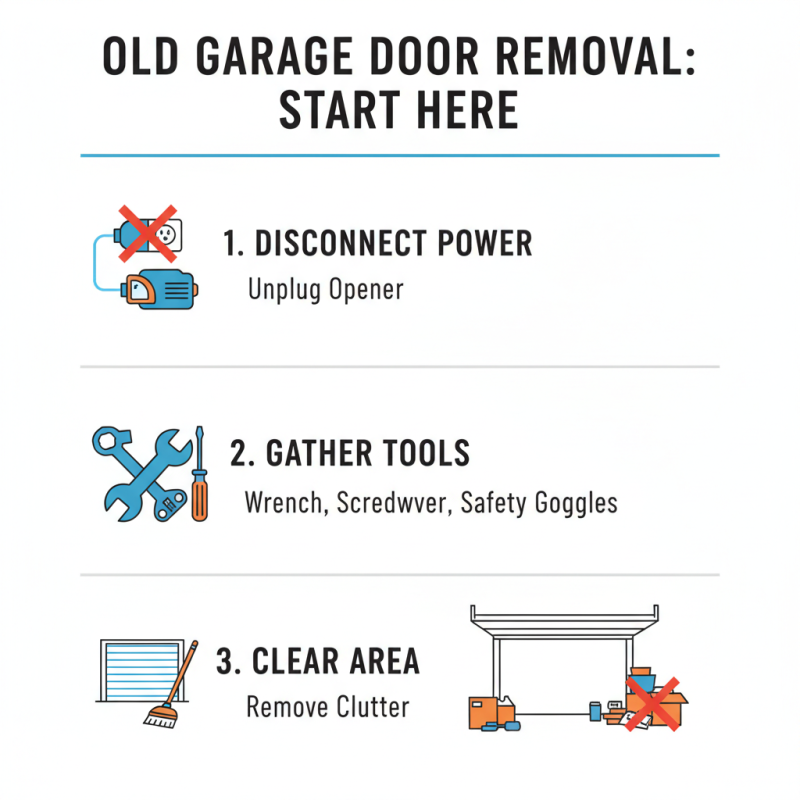
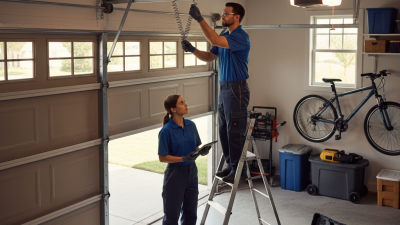
Removing your old garage door can seem daunting, but with the right approach, it can be a manageable task. Begin by ensuring the garage door is disconnected from the opener. Unplugging the power source is important to avoid accidents during removal. Next, gather the necessary tools, such as a wrench, screwdriver, and safety goggles. Secure your workspace by removing any clutter around the door.
When removing the tracks, pay attention to how everything is assembled. Some parts may be rusty or stuck, requiring extra force. Take care to detach the door panels carefully. It might be useful to have someone assist you. Balancing the door can be tricky, especially if it’s heavy. If one side feels heavier, adjust accordingly to prevent it from falling.
**Tip:** Always wear gloves while handling metal components. Sharp edges can cause cuts. After removing the door, inspect the frame. You might find damages that require fixing before installing a new door. Reflecting on this process is crucial; maybe you rushed or hesitated in some steps, which can lead to mistakes. Take your time to ensure safety and accuracy.
How to Properly Install the New Garage Door Panels
Installing new garage door panels can seem daunting, but with proper steps, you can do it yourself. Start by gathering all necessary tools. A tape measure, drill, and level are essential. Don't forget safety glasses and gloves. Make sure your workspace is clear. You're going to need room to maneuver.
Begin by removing the old panels, if applicable. It’s okay if this part takes longer than expected. Sometimes screws can be stubborn. When you put the new panels in place, ensure each one aligns properly. A level can be your best friend here. An uneven installation can lead to issues later, like improper sealing or even aesthetic concerns.
Take your time during the installation process. Mistakes may happen; they often do. If a panel seems misaligned, don’t rush. Adjust it before securing everything tightly. Remember, garage doors are heavy and need to slant straight. A proper fit is crucial, but minor errors can occur. It's okay to double-check your progress as you go. Don't hesitate to ask a friend for help; an extra set of hands can make a difference.
How to Install a Garage Door Yourself Easily?
This chart illustrates the estimated time spent on each stage of the garage door installation process. Proper planning and execution can greatly enhance the efficiency of your DIY project.
Tips for Ensuring Proper Garage Door Operation and Maintenance
Maintaining a garage door is crucial for its longevity and efficiency. Regularly check the springs, tracks, and sensors. Look for any signs of wear. Loose hardware can be a problem, so tighten any bolts or screws. Make it a habit to inspect the door’s balance at least once a month. An unbalanced door struggles to operate properly and could lead to bigger issues down the line.
Lubrication is often overlooked. Apply a silicone-based lubricant to the rollers, hinges, and tracks. This step ensures smooth operation and reduces wear. Don’t forget to clean the tracks; dirt can hamper movement. A quick wipe with a damp cloth does the trick. Also, be aware of the weather seals. Replace them if they appear brittle or cracked. A well-maintained garage door protects your home from the elements.
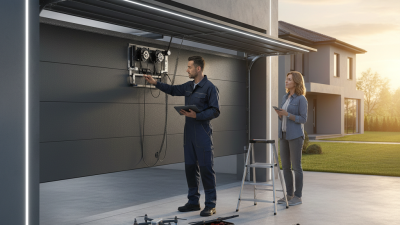
Sometimes, despite our best efforts, problems arise. Odd noises or slow movement might signal issues. Ask yourself if you’ve overlooked something. Learning to troubleshoot minor problems can save time and money. However, don’t hesitate to call a professional for major repairs. Safety should always be your priority, especially around heavy machinery.
How to Install a Garage Door Yourself Easily? - Tips for Ensuring Proper Garage Door Operation and Maintenance
| Tip |
Description |
Frequency |
| Check Springs |
Inspect the garage door springs for signs of wear or damage to ensure they function properly. |
Annually |
| Lubricate Moving Parts |
Apply lubricant to rollers, hinges, and tracks to reduce friction and noise. |
Every 6 months |
| Test Garage Door Balance |
Check the balance of the door to ensure it opens and closes smoothly without excess strain. |
Annually |
| Inspect Weather Stripping |
Examine the weather stripping to prevent drafts and maintain energy efficiency. |
Every 6 months |
| Check Safety Sensors |
Ensure the safety sensors are functioning properly to prevent accidents. |
Monthly |