Top 10 Garage Door Parts You Need for Your Home?
When it comes to maintaining your home, understanding garage door parts is essential. Industry expert Jack Timpson states, "Every homeowner should know the key components of their garage door." This knowledge helps ensure safety and efficiency.
Garage doors consist of various parts that work together. The springs, tracks, and openers play crucial roles. Each part needs attention to avoid malfunctions. For instance, worn-out springs can lead to dangerous situations if ignored. Regular inspections can prevent costly repairs.
Many homeowners overlook small details. Simple parts like hinges and rollers can cause issues if not maintained. It's important to recognize that even the smallest component matters significantly. Understanding garage door parts can empower homeowners, enhancing both safety and convenience.
Essential Components of Garage Doors and Their Functions
Garage doors consist of many essential parts, each serving a specific function. Understanding these components can help in proper maintenance and repairs. One crucial element is the garage door opener. It allows you to open and close the door with ease. A malfunctioning opener can lead to frustration. Regular checks can help identify issues early.
Another vital part is the tracks and rollers. They guide the door's movement. If the tracks are misaligned, it may cause the door to become stuck. Keeping the tracks clean is important for smooth operation. The springs are equally significant. They bear most of the door’s weight when being lifted. Worn-out springs can pose safety risks, so they should be inspected routinely.
Don’t overlook the cables and pulleys. These components work in tandem with the springs to lift and lower the door. If cables fray or pulleys fail, it could lead to more extensive damage. Regularly monitoring these parts ensures safety and functionality, but even experienced homeowners can miss subtle signs of wear. Paying attention to these details can make a big difference in garage door performance.
Understanding Different Types of Garage Door Openers
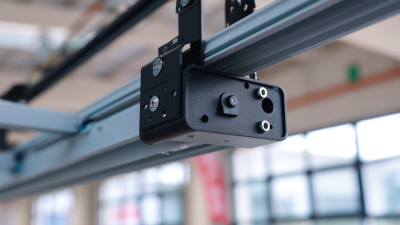
When considering garage door openers, understanding the different types is crucial. There are primarily three types: chain drive, belt drive, and screw drive. Each has its own characteristics that can suit various needs. Chain drive openers are typically the most affordable option. They are reliable and strong, making them suitable for heavy doors. However, they can be noisy, which is something to ponder, especially in homes with living spaces above or beside the garage.
Belt drive openers use a rubber belt, reducing noise levels significantly. This makes them ideal for those who prioritize quiet operation. They are often more expensive, and installation can be more complex. On the other hand, screw drive openers are easier to maintain but are sensitive to temperature changes. They can be affected by extreme heat or cold, leading to potential issues. Homeowners should consider these factors when selecting the right type of opener for their needs. Each type has its benefits and drawbacks; understanding them ensures a more informed decision.
Key Hardware Items for Garage Door Maintenance
Maintaining your garage door is crucial for safety and functionality. Regular upkeep ensures your door operates smoothly and lasts longer. Key hardware items are essential for effective maintenance. These items include hinges, rollers, tracks, and springs. According to industry reports, over 70% of garage door issues stem from worn-out parts. Regular checks can prevent costly repairs.
Hinges connect the sections of the door. They play a vital role in smooth operation. Replacing old hinges can dramatically improve performance. Rollers should roll smoothly on the tracks. Worn-out rollers can lead to grinding noises and misalignment. Industry surveys show that new, high-quality rollers can enhance door longevity by up to 50%.
Springs are another vital component. They counterbalance the garage door's weight. Their lifespan averages around 10,000 cycles. This means they need replacing every 5-7 years for most homeowners. Regular maintenance could extend their life. It's a fact that only 30% of homeowners perform routine checks. This lack of attention leads to unexpected failures. Investing time in basic maintenance today can save you money tomorrow.
Safety Features and Regulations for Garage Doors
When considering garage door safety features, several aspects demand attention. One crucial component is the safety reverse mechanism. This device stops and reverses the door if it encounters an obstacle. It plays a vital role in protecting children and pets. Regularly testing this feature can help ensure it functions correctly.
Another important aspect is the auto-stop feature. This stops the door from closing if the beam sensor is interrupted. It's essential for preventing accidents. Additionally, a manual disconnect is wise. It allows you to operate the door manually during power outages, ensuring accessibility. Many homeowners overlook this detail, which can lead to issues during emergencies.
Regular maintenance is key for these safety features to work effectively. Inspecting wiring and hardware can prevent malfunctions. It's not uncommon to find worn-out springs or frayed cables that compromise safety. Awareness of these elements can help avoid unnecessary risks. Educating yourself about local regulations can also aid in maintaining compliance. Familiarity with these guidelines reflects responsible homeownership. A safe garage door not only protects your property but also enhances peace of mind.
Choosing the Right Materials for Garage Door Parts
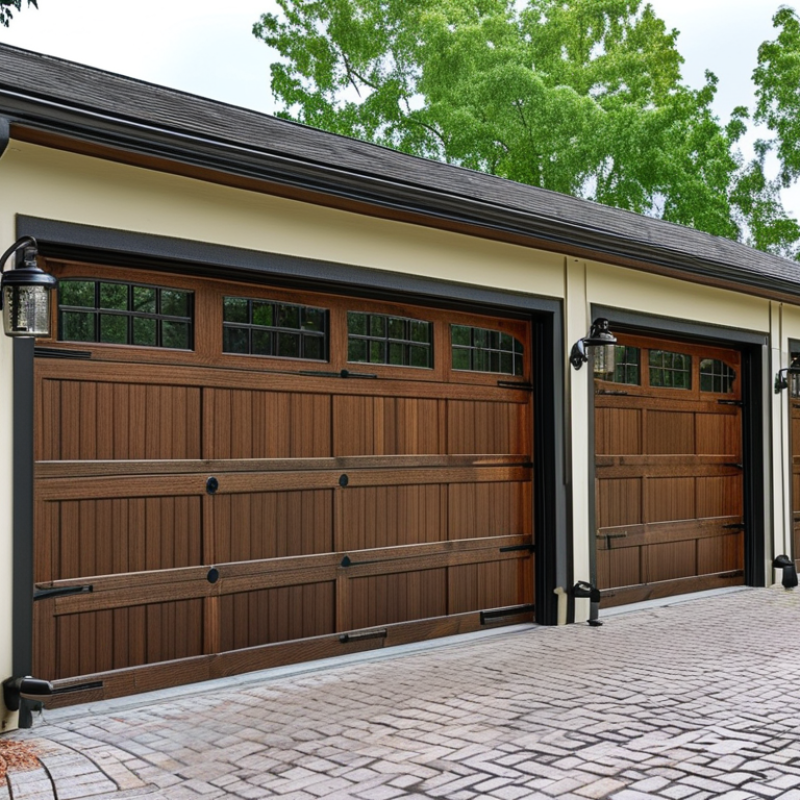
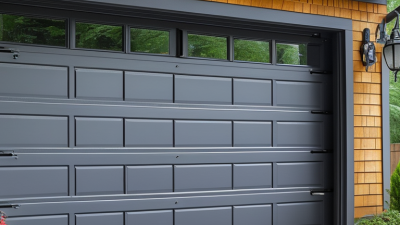
When selecting garage door parts, material choice significantly impacts durability and functionality. Steel is a popular option for its strength and resistance to rust. According to a report from the Door and Access Systems Manufacturers Association (DASMA), steel doors have an average lifespan of 20 years with proper maintenance. Wood offers aesthetic appeal, but it can warp and rot if not properly sealed. Homeowners should weigh the pros and cons of materials carefully to ensure long-term satisfaction.
Plastic components, such as brackets and rollers, may seem cost-effective but can wear out quickly. A study by Remodeling Magazine shows that homes featuring higher-quality parts yield a better return on investment. Furthermore, homeowners should consider insulation properties when choosing garage doors. Insulated doors reduce energy costs and improve comfort in attached garages.
Sometimes, it's worth investing in higher-quality parts upfront. Cheaper options often entail frequent replacements and repairs. A knowledgeable contractor can guide you in making informed decisions. Reflecting on the balance between cost and quality is crucial for lasting home functionality. Understanding your specific needs helps avoid common pitfalls in garage door maintenance.
Top 10 Garage Door Parts You Need for Your Home
| Part Name |
Material |
Function |
Lifespan (Years) |
| Garage Door Panel |
Steel |
Provide structure and insulation |
15-30 |
| Springs |
Coiled Steel |
Counterbalance the door's weight |
7-12 |
| Garage Door Opener |
Plastic/Metal |
Automate the opening and closing |
10-15 |
| Track |
Steel |
Guide the door's movement |
20-30 |
| Rollers |
Steel/Plastic |
Facilitate door movement along the tracks |
5-10 |
| Weather Seal |
Rubber |
Prevent drafts and moisture |
5-10 |
| Hinges |
Steel |
Connect door panels for movement |
10-20 |
| Cables |
Steel |
Support the door's weight |
10-15 |
| Safety Sensors |
Plastic/Metal |
Detect obstacles during operation |
5-10 |
| Remote Control |
Plastic/Metal |
Control the door from a distance |
5-10 |